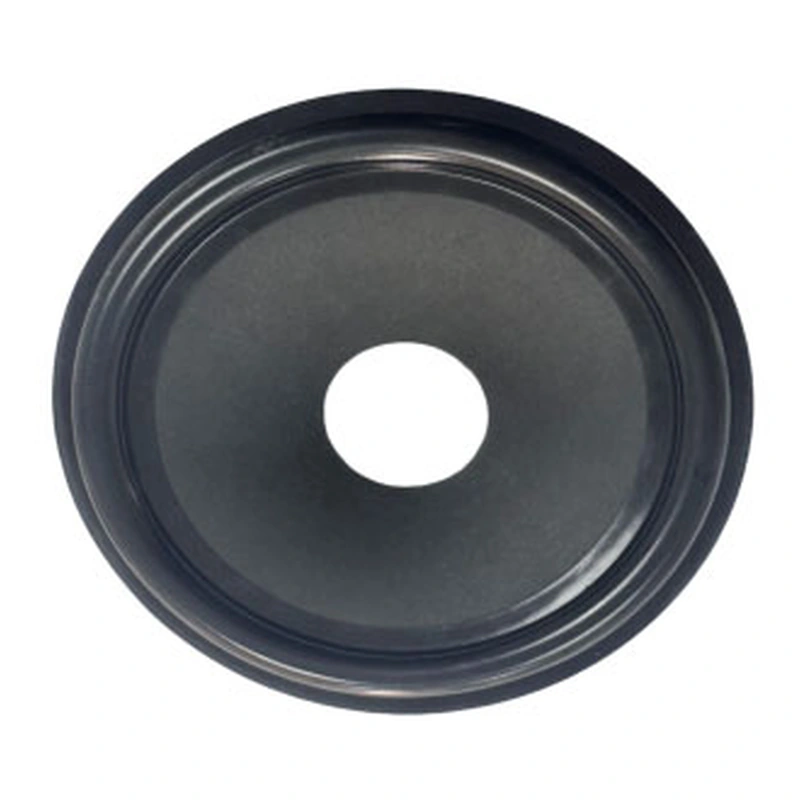
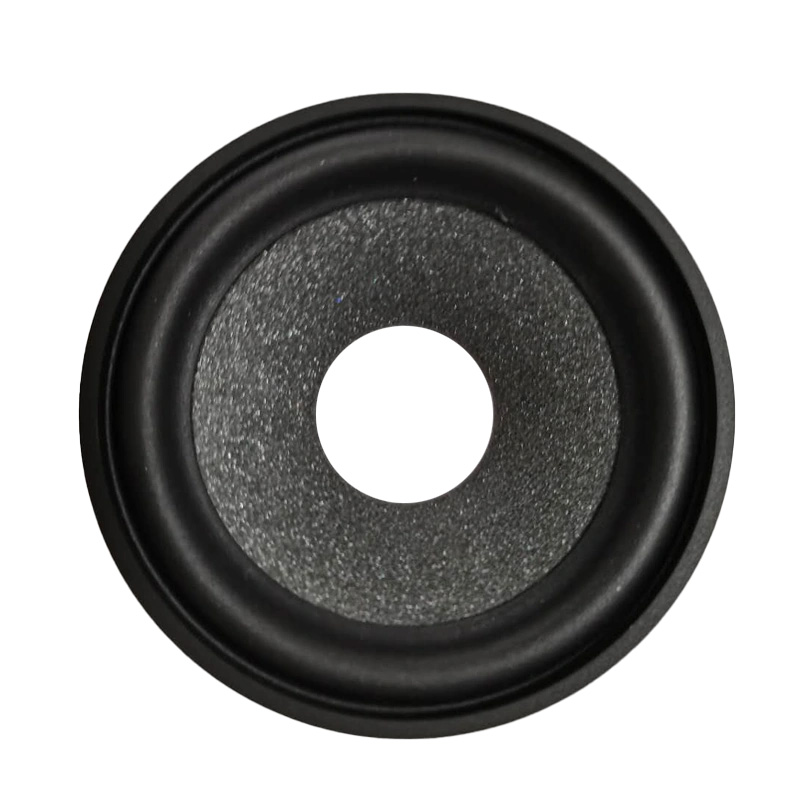
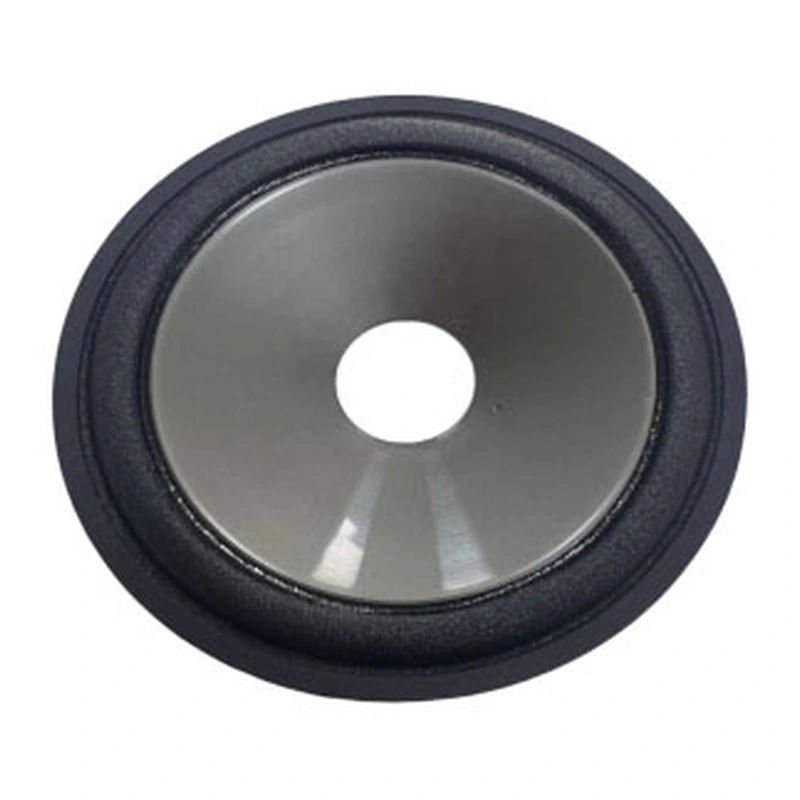
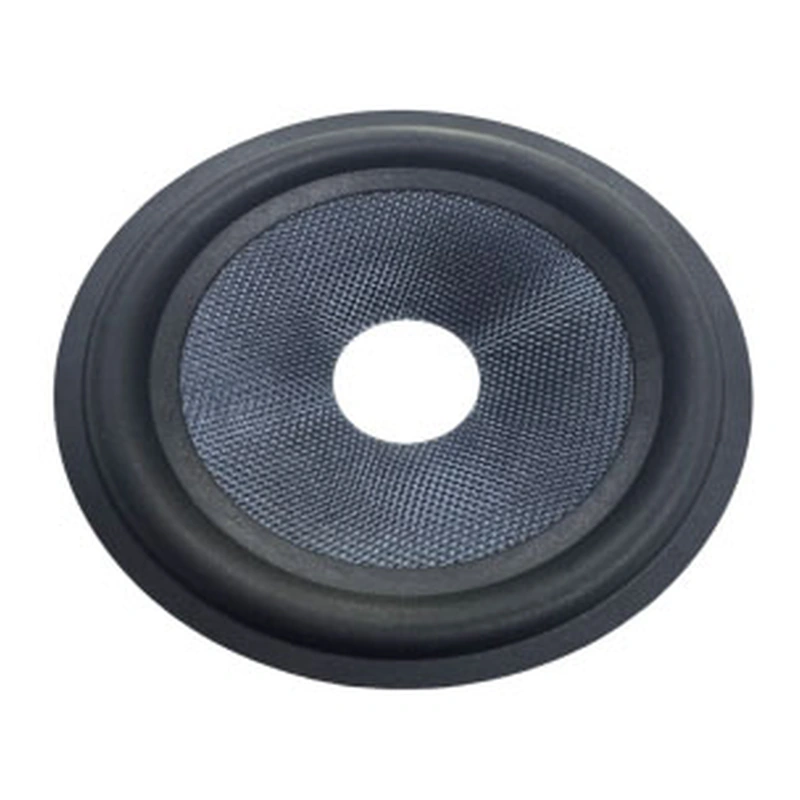
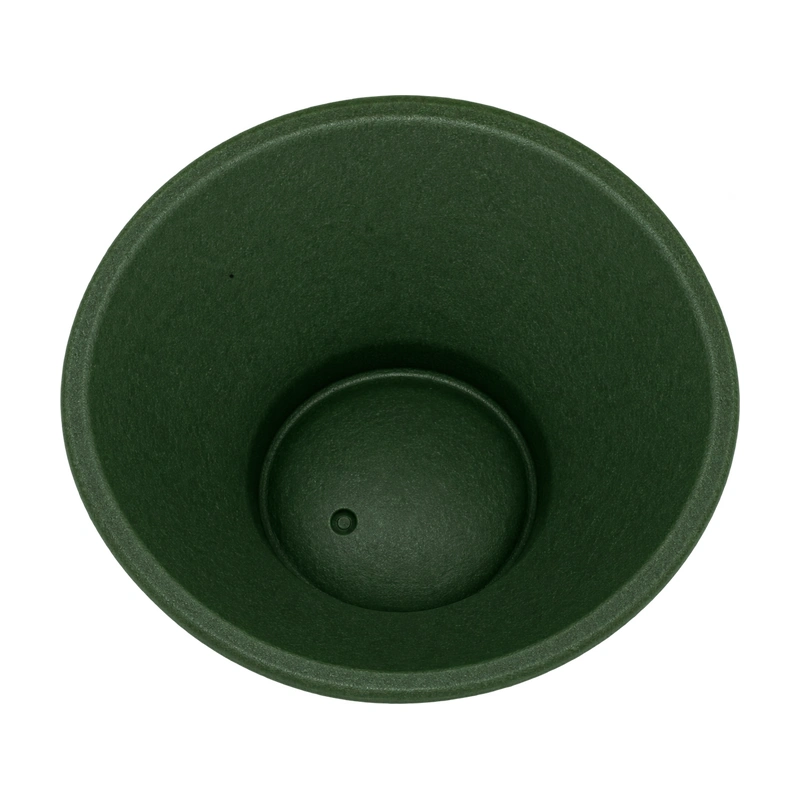
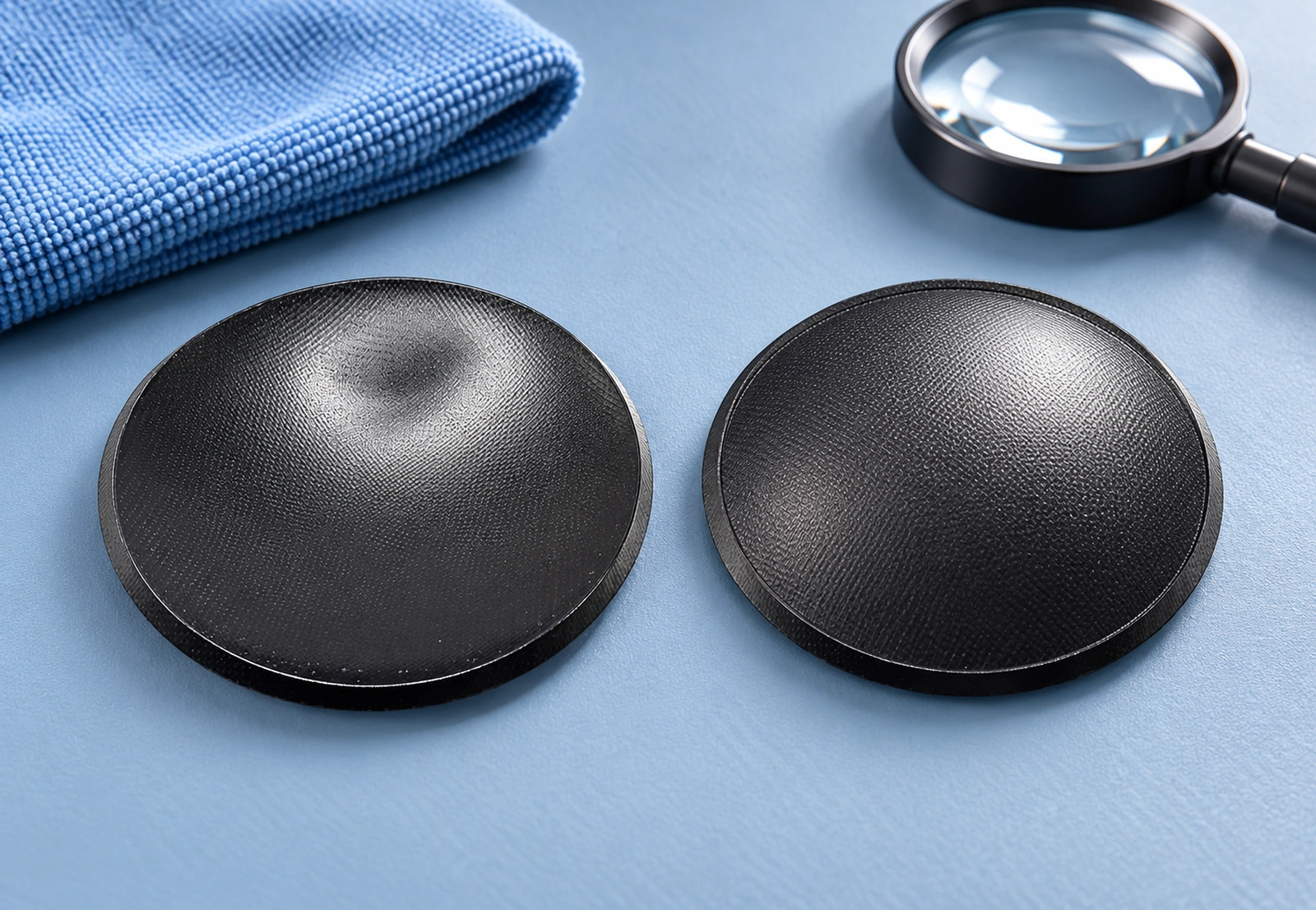
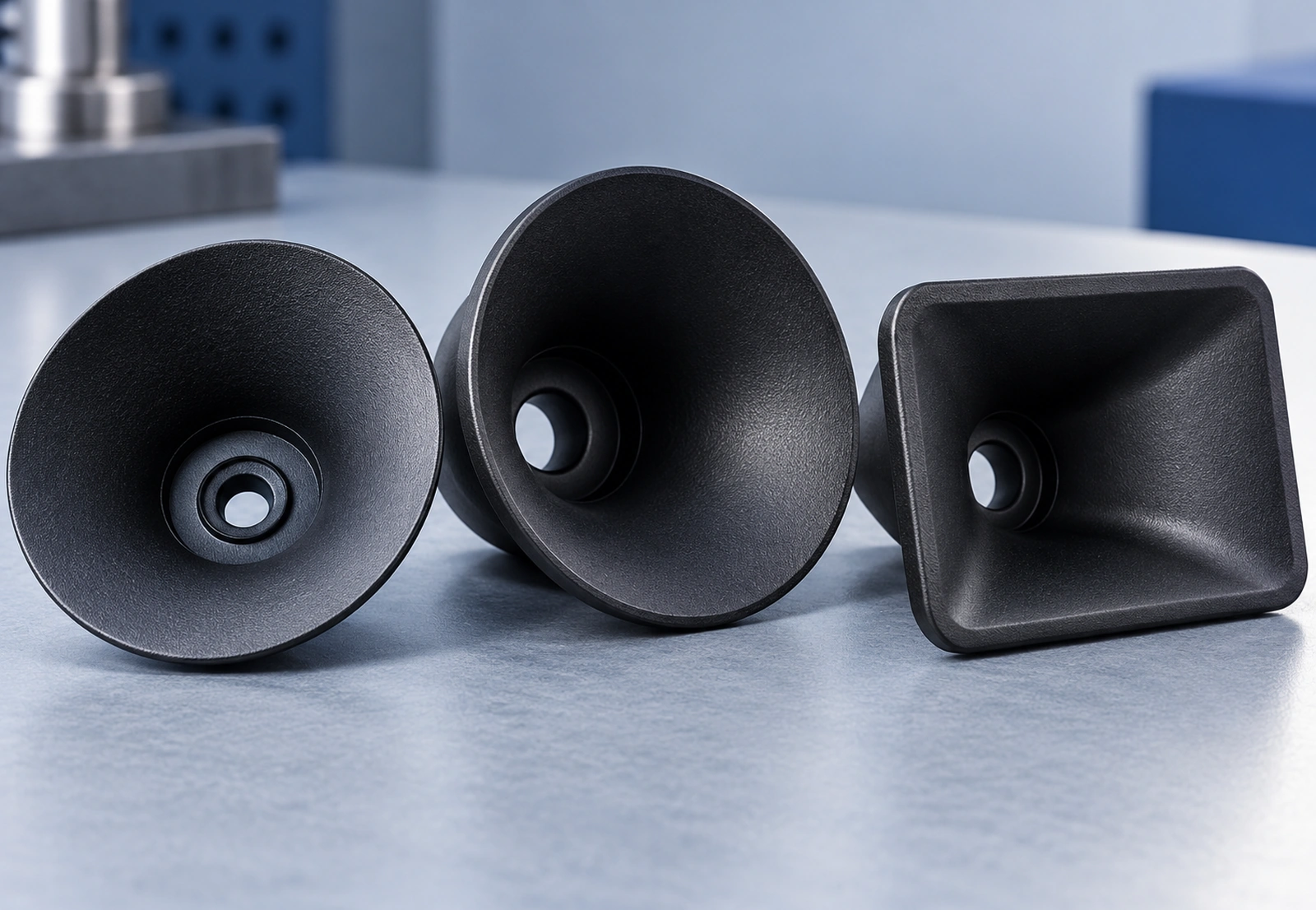
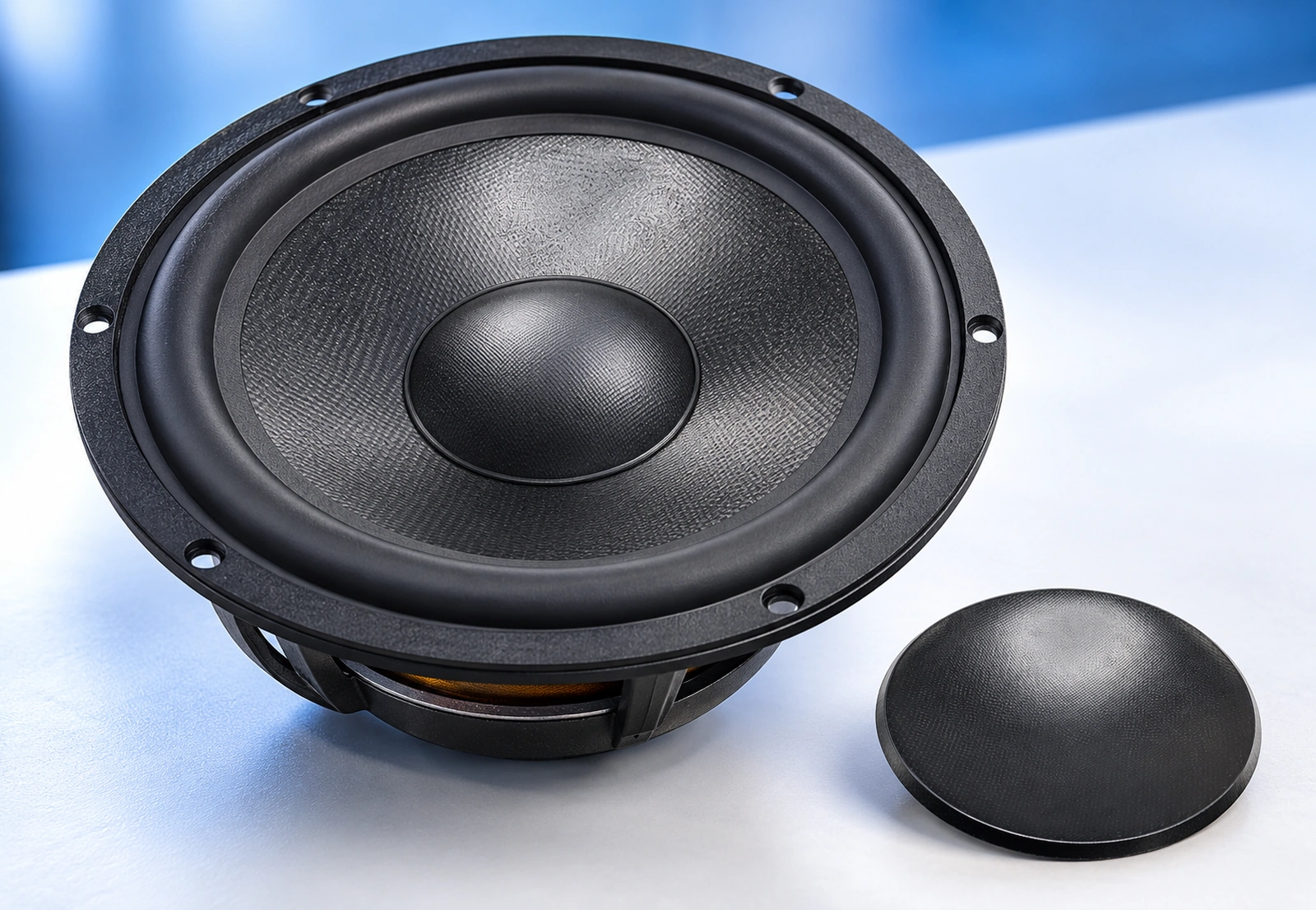
In the world of loudspeakers, every component fulfills specific functions and purposes, working together to deliver wonderful music. The dust cap, this seemingly trivial small part, plays an enormously important role. Sitting quietly at the front of the speaker driver, it safeguards sound quality and service life with its unique shape and material. Nevertheless, many audio enthusiasts frequently wonder whether the dust cap of a loudspeaker can be removed. Below we explore the importance and necessity of the dust cap.
As its name suggests, the primary function of a dust cap is dust prevention. In daily use, loudspeakers are inevitably exposed to fine particles such as dust and hair. Once these contaminants get inside the speaker driver, they may damage critical components including the voice coil and magnet, impairing sound quality and performance. Acting as a solid barrier, the dust cap effectively blocks contaminants and protects the safety and stability of the speaker unit.
Yet the functions of a dust cap extend far beyond dust protection. It also exerts subtle yet significant influence on acoustic performance. Parameters such as material, shape and thickness of the dust cap affect sound transmission and dispersion. A high-quality dust cap guides sound to disperse in a more even and natural manner, reducing sound reflection and standing-wave effects to improve overall audio performance. Meanwhile, the dust cap can suppress partial vibration of the speaker driver to a certain degree, curbing excessive high-frequency output and producing purer, clearer sound.
So can you remove a loudspeaker’s dust cap? The answer is definitely no. Removing the dust cap robs the speaker of this vital protective barrier, leaving it vulnerable to contamination and bringing adverse impacts on sound quality. Without the guidance and protection offered by the dust cap, sound may become disordered, lacking layering and clarity. Furthermore, the long-term exposed speaker driver becomes more susceptible to physical damage, shortening its service life.
In addition, removing a dust cap carries complicated operational risks. On many loudspeakers, the dust cap is tightly bonded to the speaker driver. Forcible removal may cause irreversible damage to the driver. Even if you manage to take it off, lack of professional knowledge and tools may lead to unsatisfactory results during reinstallation and degrade overall speaker performance.
Therefore, adequate attention and proper protection should be given to speaker dust caps. During daily operation, regularly wipe away dust and contaminants on the dust-cap surface to keep it clean and dry. When replacing or upgrading loudspeakers, select dust caps that match the speaker driver to ensure optimal performance.
In summary, the dust cap acts as an invisible guardian of sound quality. It is vital for protecting the speaker driver and enhancing acoustic performance. Accordingly, the dust cap should not be casually removed; this critical loudspeaker component deserves proper care and preservation. In the audio world ahead, let us recognize the value of dust caps and safeguard both sound quality and service life of loudspeakers.
We use cookies to offer you a better browsing experience, analyze site traffic and personalize content. By using this site, you agree to our use of cookies. Privacy Policy