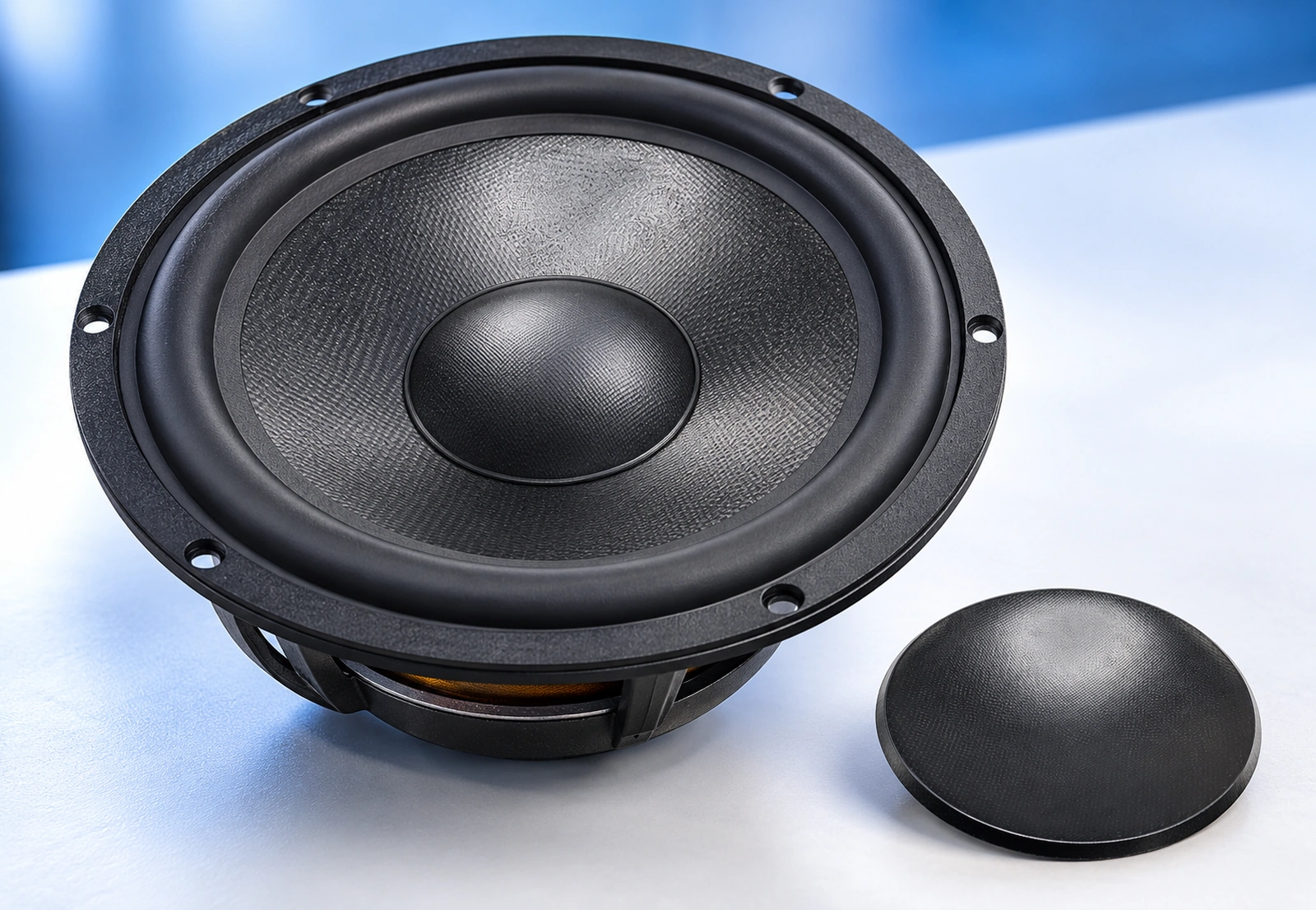
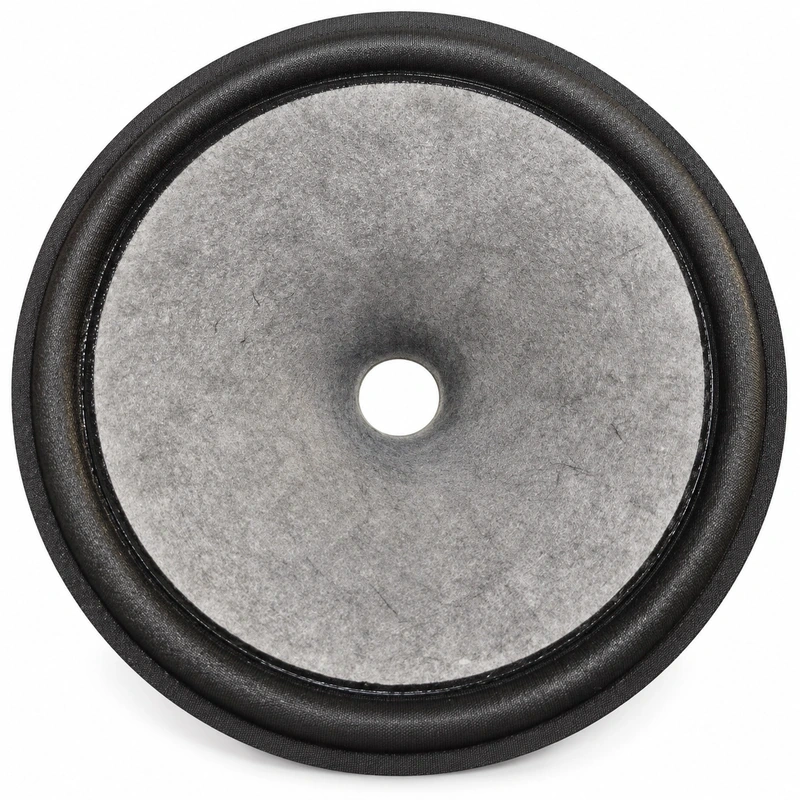
In the world of audio, every detail embodies the relentless pursuit of sound perfection. As a core component of loudspeaker units, the speaker cone, with its unique structures and materials, plays a critical role in sound transmission and reproduction. It is not only the starting point of sound vibration but also a bridge linking sound sources to listeners’ emotions. Below, we will dive into the mysteries of speaker cones and appreciate their unique charm in audio systems.
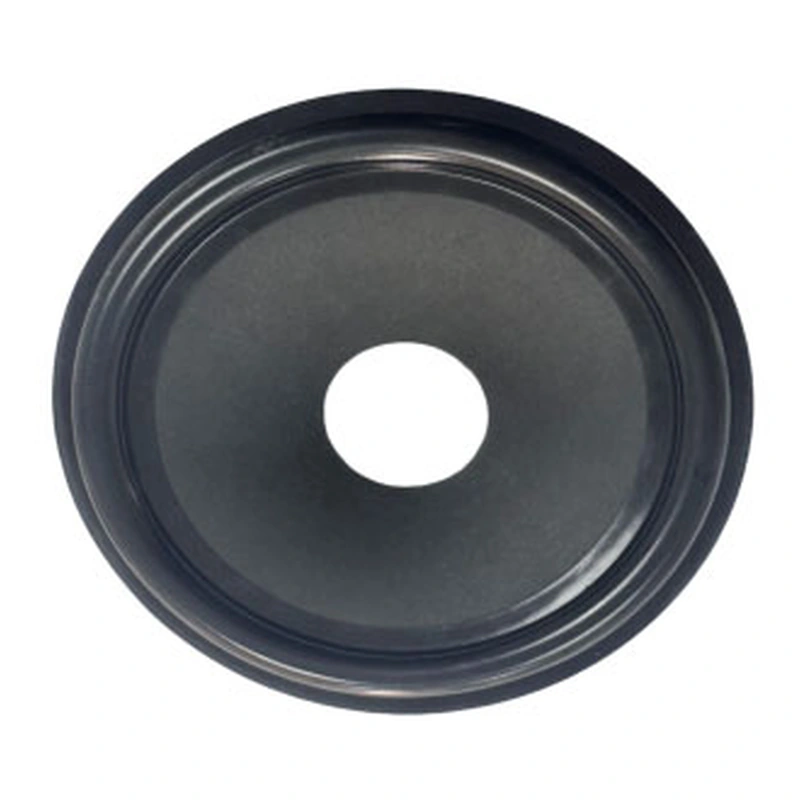
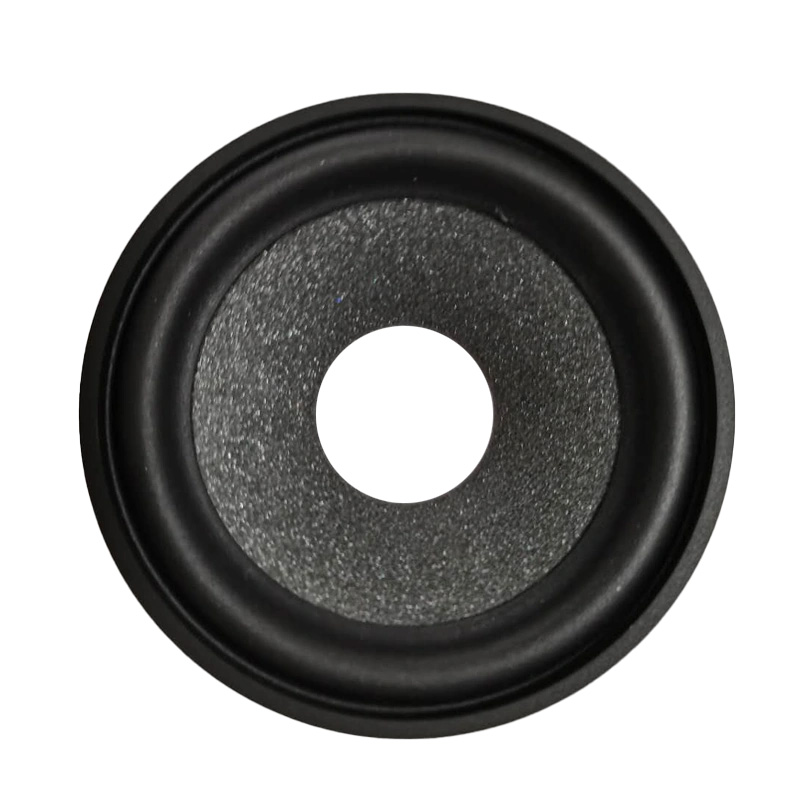
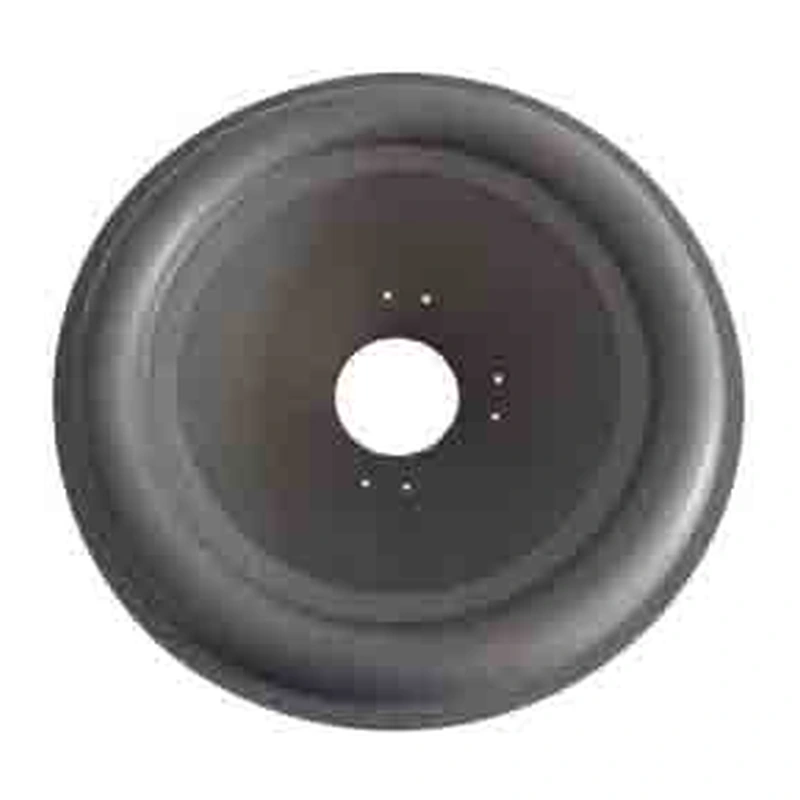
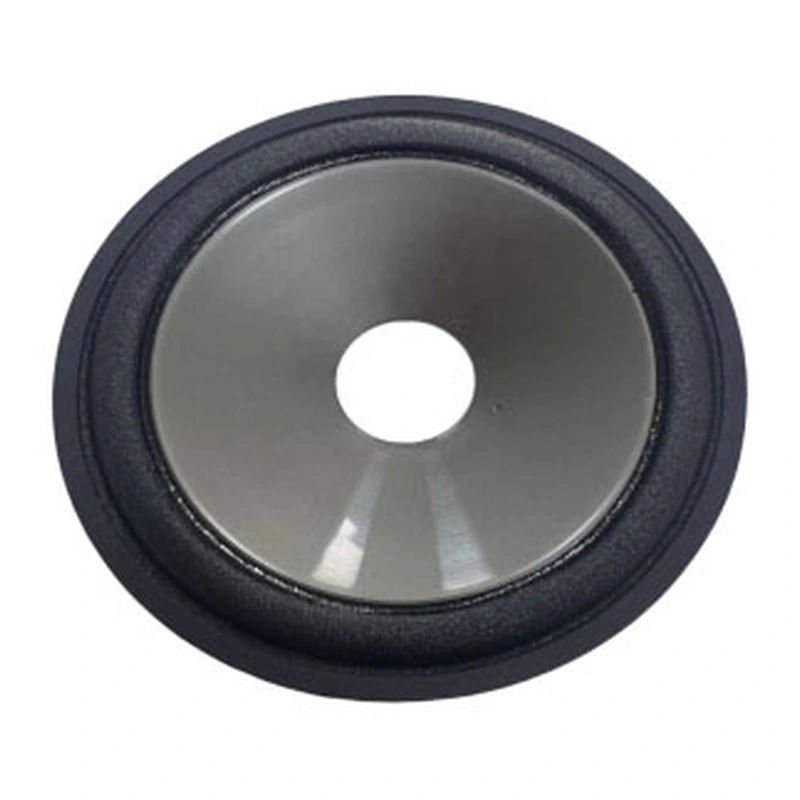
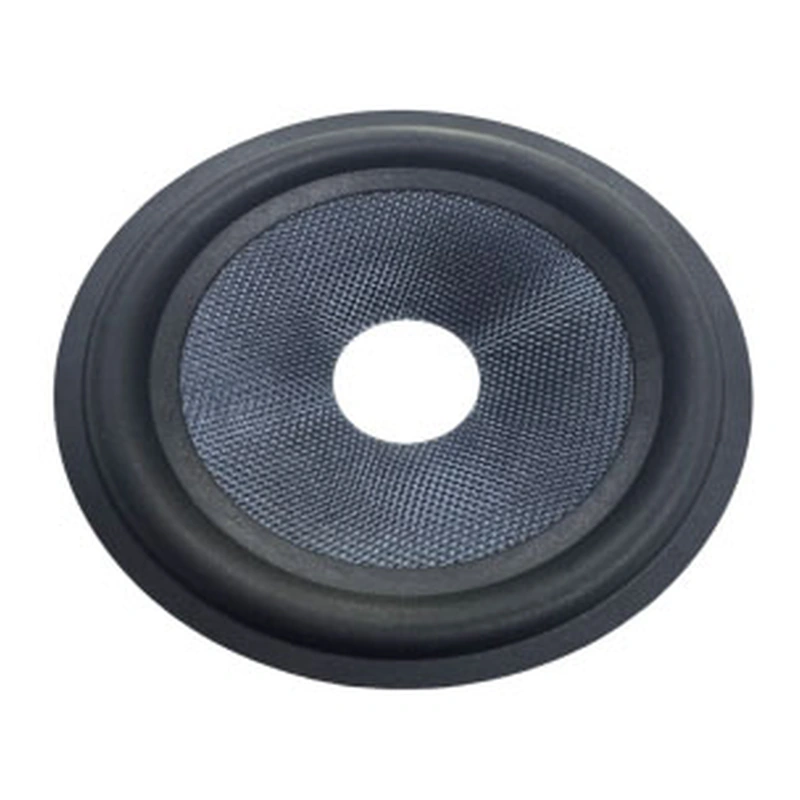
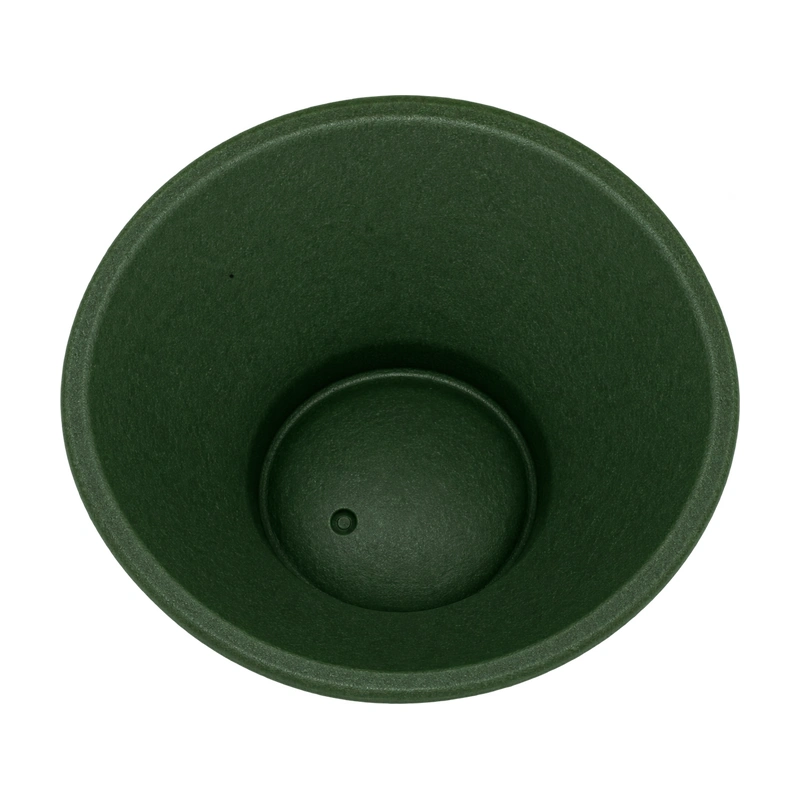
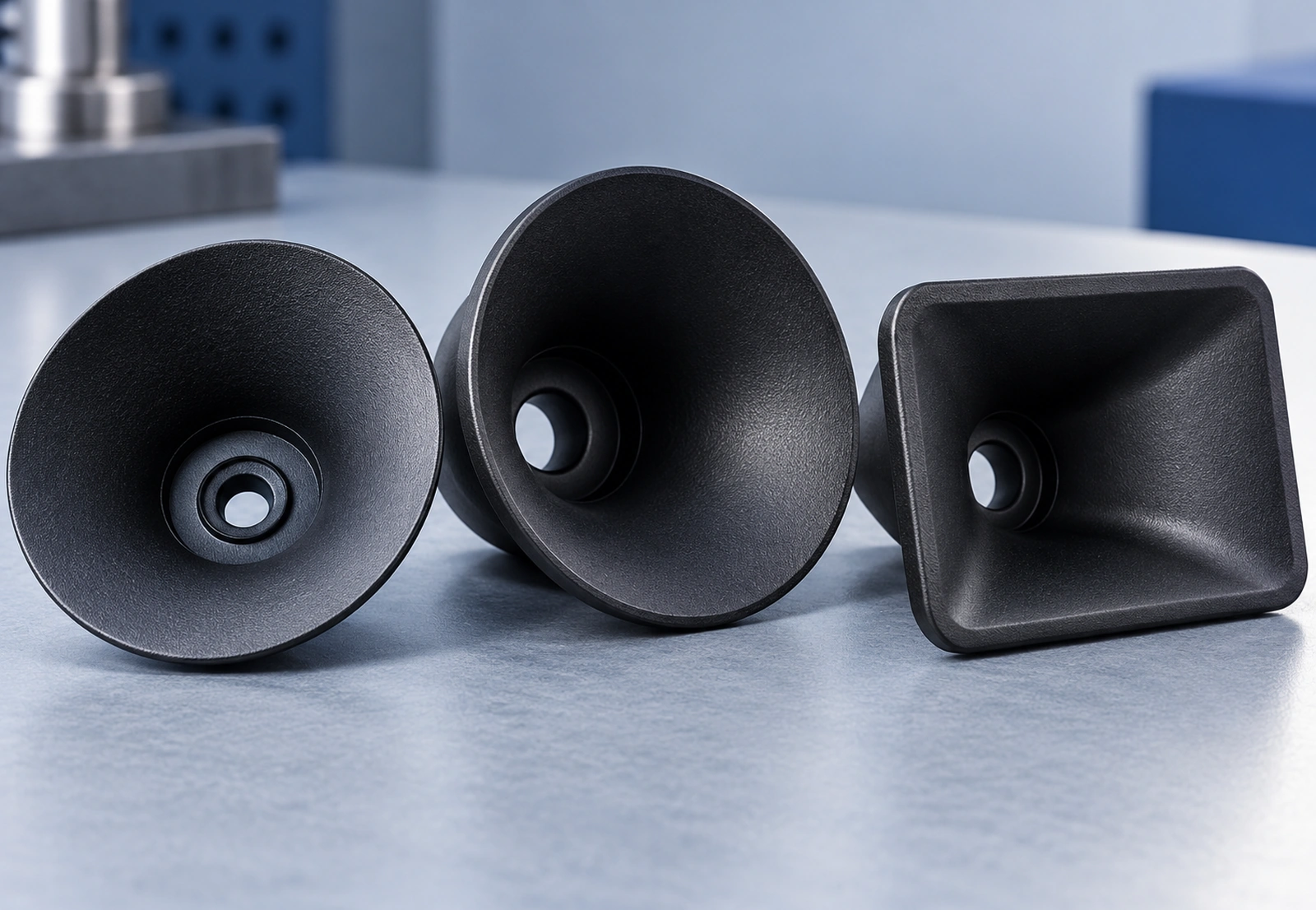
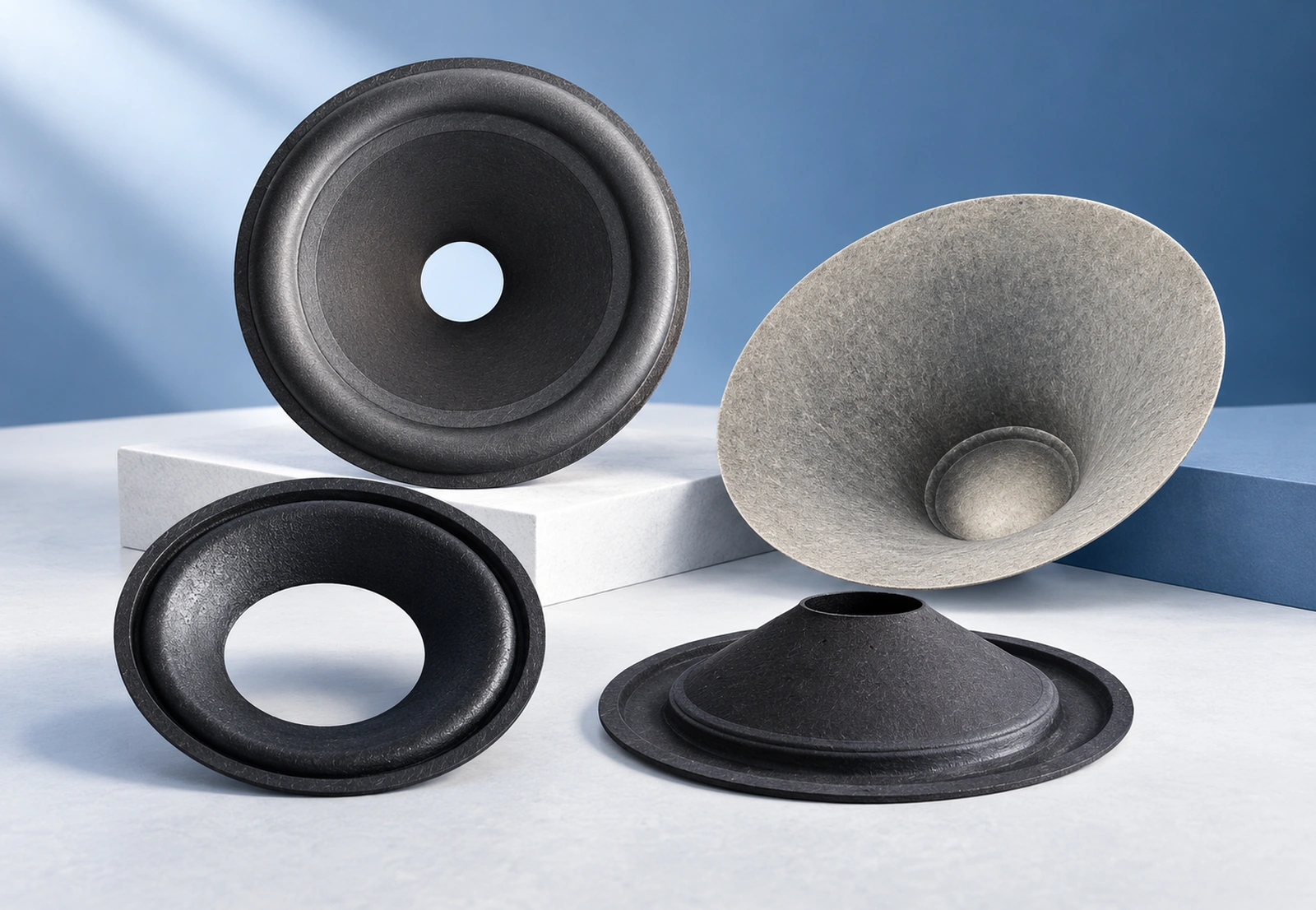
This seemingly simple circular diaphragm actually features sophisticated structures and exquisite craftsmanship. It mainly consists of three parts: the cone body, surround, and gasket. As the main body of the cone, the cone body undertakes most of the sound vibration work. It is commonly made of paper pulp, PP, aluminum, or copper. These materials are selected to deliver sufficient light weight and high strength for efficient transmission of sound vibrations. The surround tightly encloses the outer edge of the cone body for fixation and support. It is typically manufactured from foam, fabric, rubber, ESMA, or TPU, chosen for stable vibration characteristics and excellent durability. The gasket is an auxiliary shaping part. Though not required for all models, it also contributes significantly to structural stability and improved sound quality.
Speaker cones offer great flexibility and diversity in material options. All paper cones for multimedia speakers are renowned for their natural, warm tonal characteristics and are preferred by many classic audio enthusiasts. Composite multimedia speaker cones achieve more balanced acoustic performance through material combinations between cone bodies and surrounds, and are widely adopted in various audio products. Mylar multimedia speaker cones stand out for high strength, great elasticity and outstanding weather resistance, making them the material of choice for high end audio equipment. Cones of different materials each have their own strengths, jointly creating a rich palette of acoustic timbres in audio applications.
Beyond structure and material selection, performance parameters of speaker cones also deserve close attention. The Fo value (resonance frequency) is one key metric for cone performance. Its magnitude directly determines the cone’s frequency range performance. Cones with a high Fo value lean toward high frequency reproduction and deliver brighter, crisper sound. By contrast, cones with a low Fo value are better suited for deep, rich bass output. Therefore, speaker cones shall be properly selected and matched according to the overall system design and acoustic requirements.
Furthermore, the design and manufacturing of speaker cones involve numerous precise processes and technologies. Every step, from raw material screening and formulation to forming and processing, requires strict control and testing. Such processes and techniques are implemented to guarantee optimal vibration behavior and acoustic performance. Meanwhile, as technology evolves, an increasing number of new technologies and materials are applied to cone design and production, bringing richer listening experiences and broader room for innovation in the audio industry.In summary, as one of the core components of audio systems, the speaker cone’s structural and material choices, performance parameter settings, and manufacturing craftsmanship directly affect sound transmission and reproduction. Driven by continuous technological advances and ongoing innovation, we can expect speaker cones to deliver even superior performance and wider material options, bringing us more striking acoustic experiences and diverse auditory enjoyment.
We use cookies to offer you a better browsing experience, analyze site traffic and personalize content. By using this site, you agree to our use of cookies. Privacy Policy