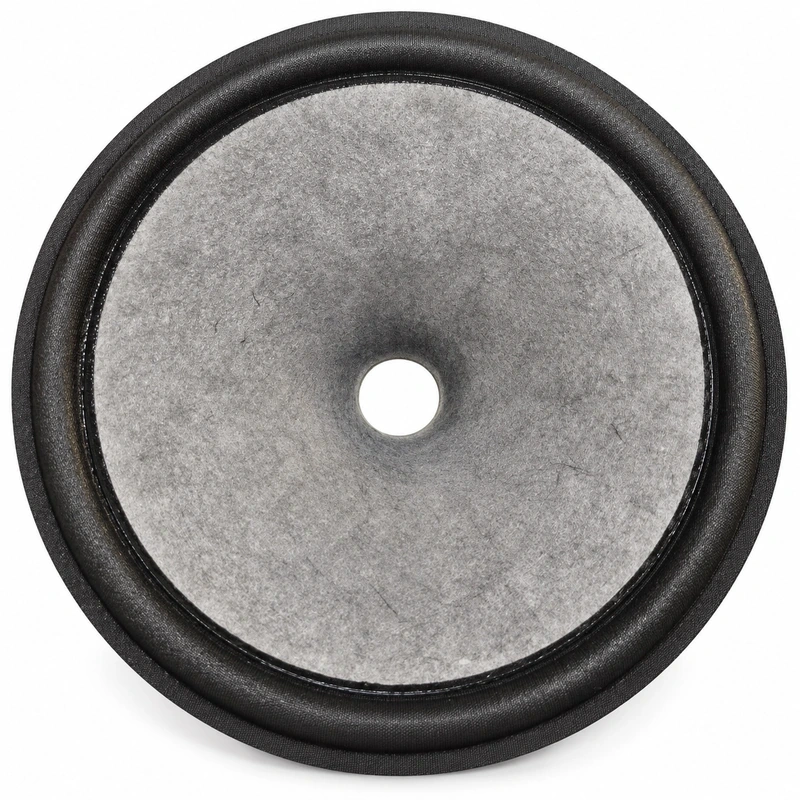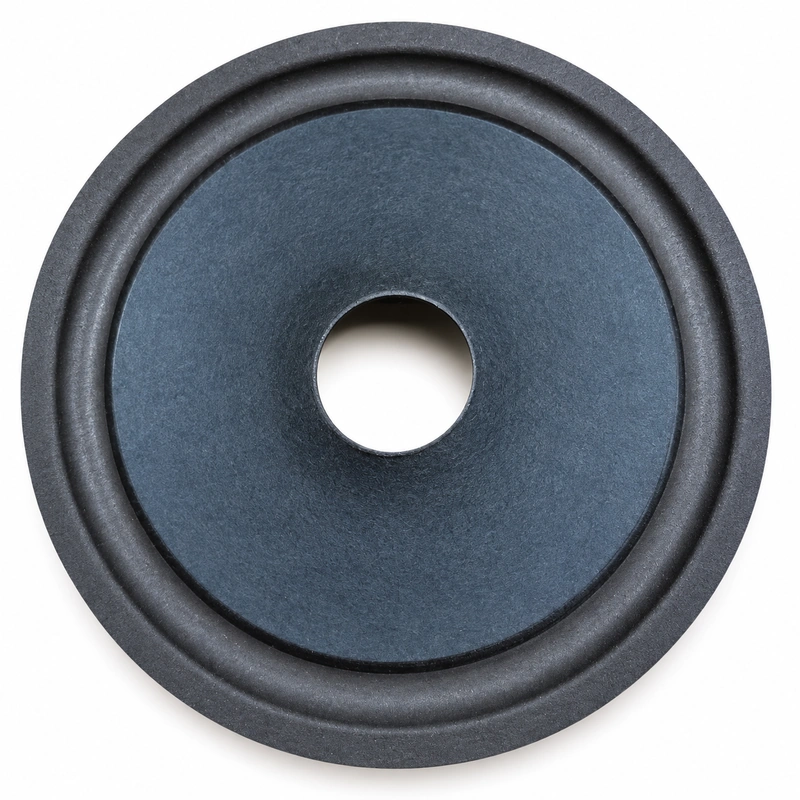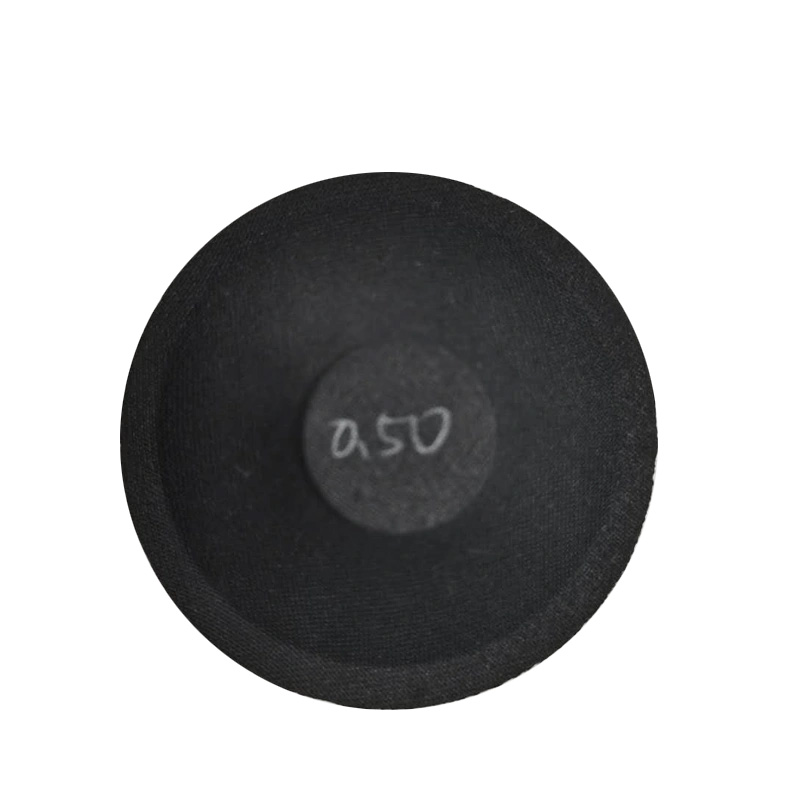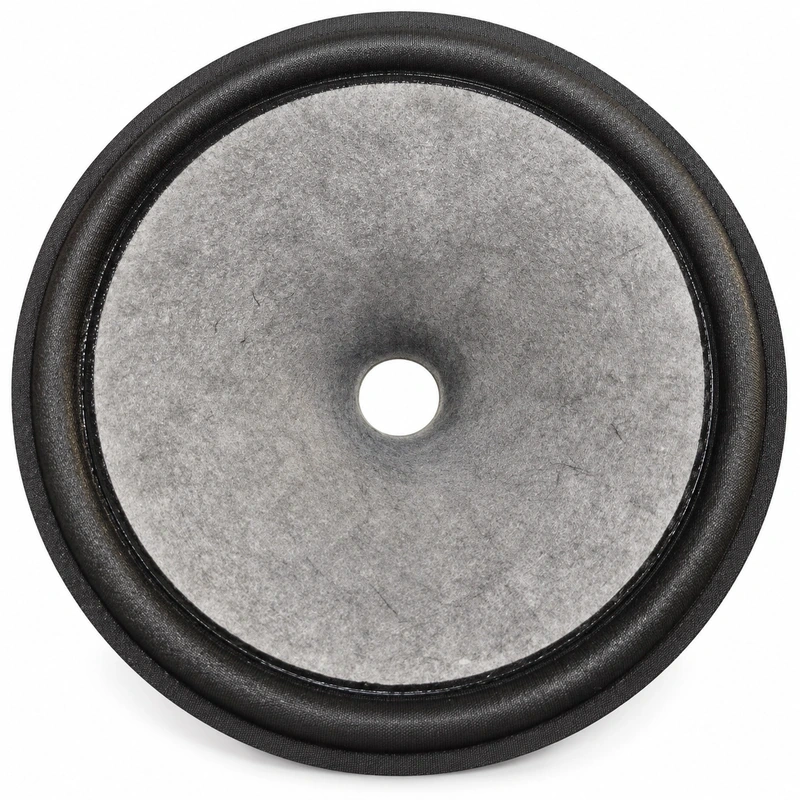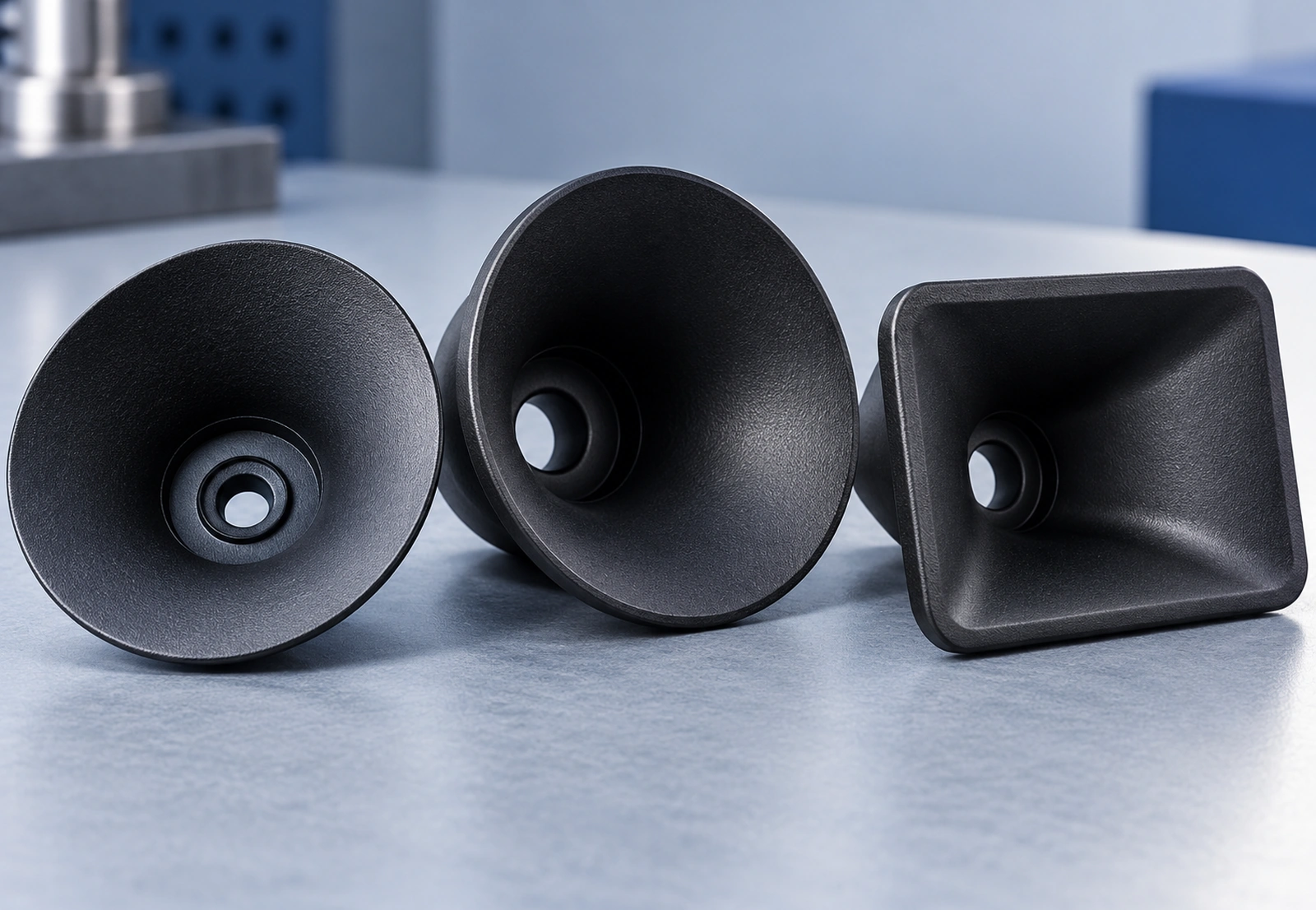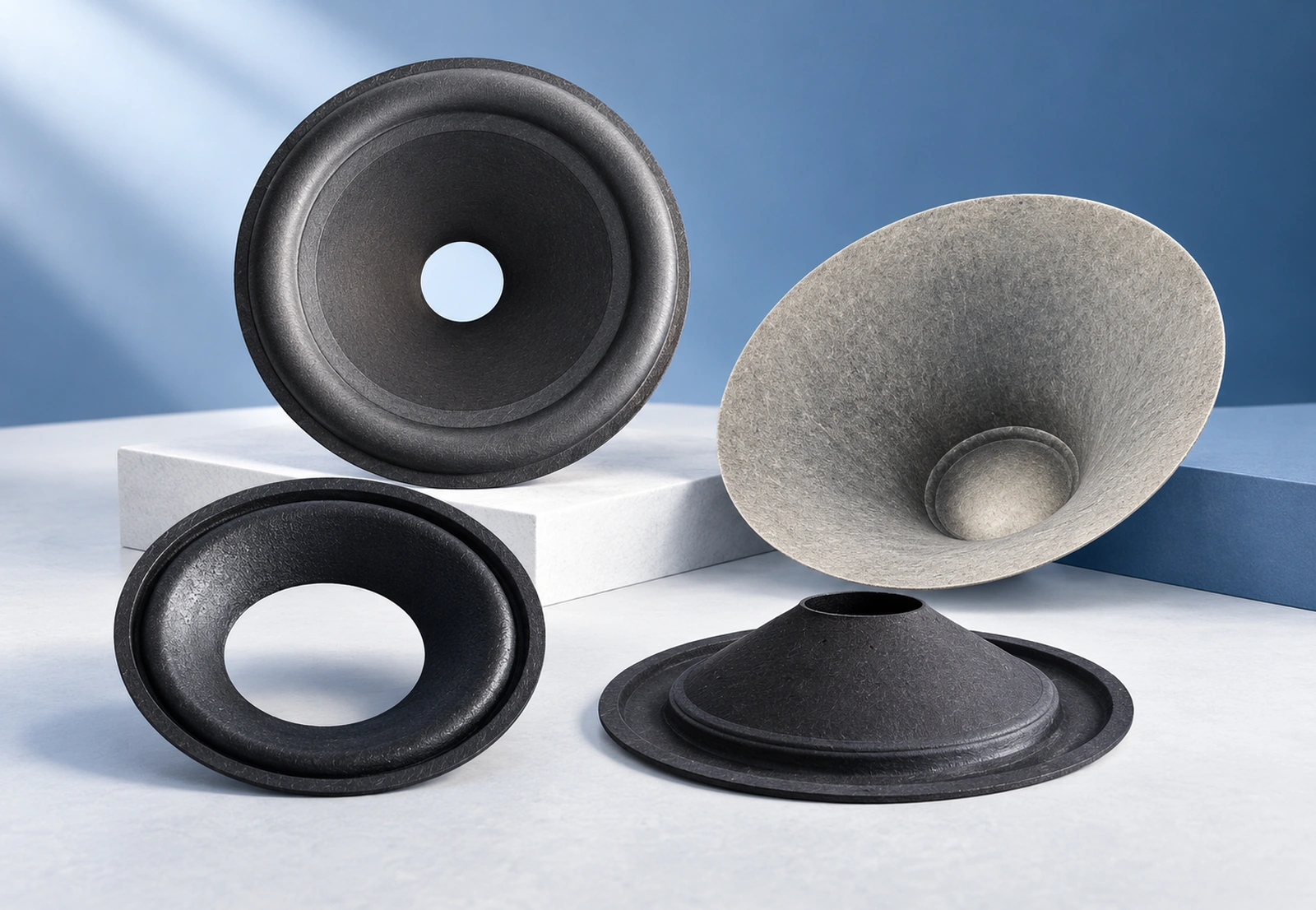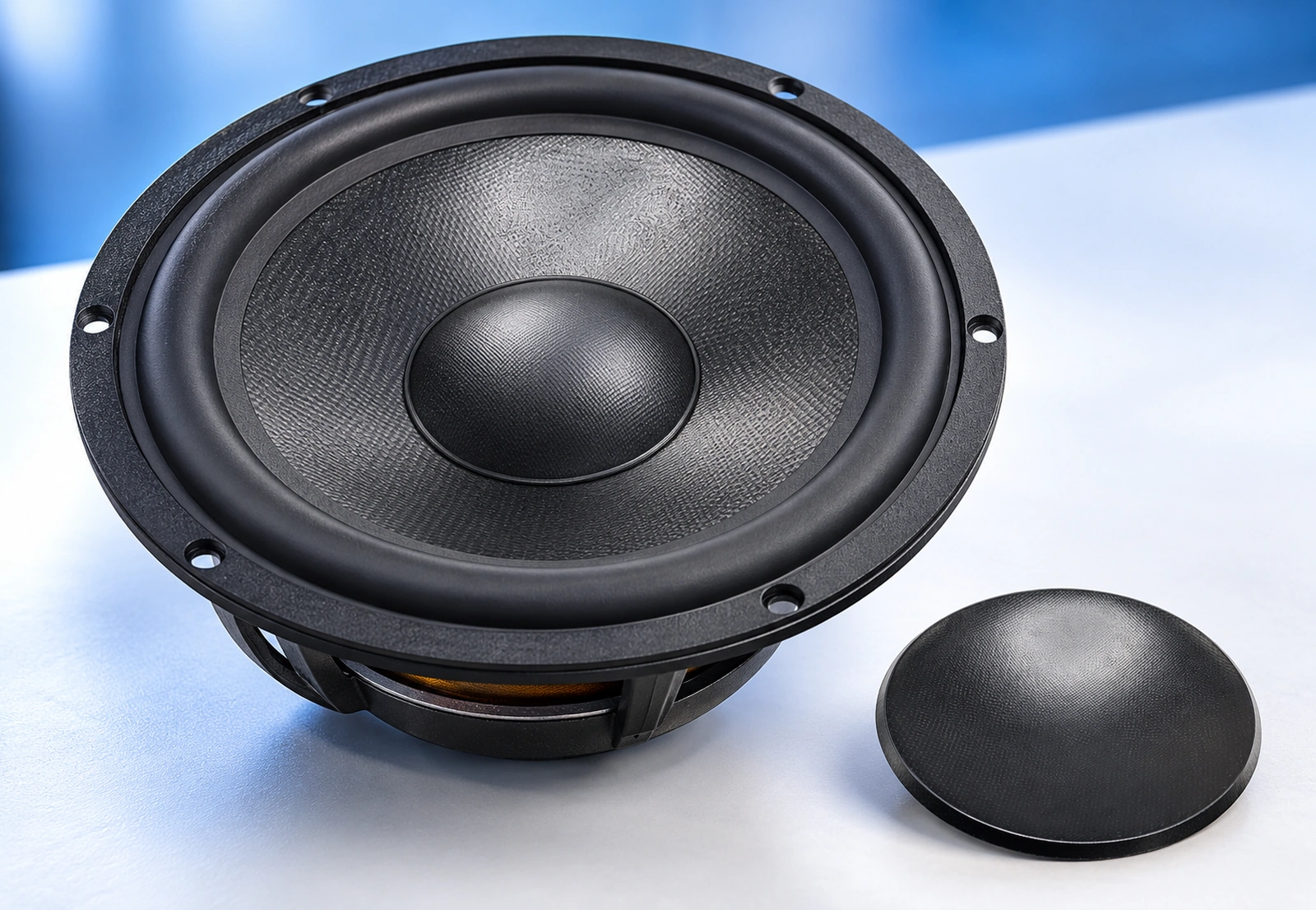
The photo is representative. See each Tweeter Domes model row for specifications.
| Product | Model | Outer Diameter (mm) | Inner Diameter (mm) | Height (mm) | Weight (g) | Thickness (mm) | Material | Notes |
|---|---|---|---|---|---|---|---|---|
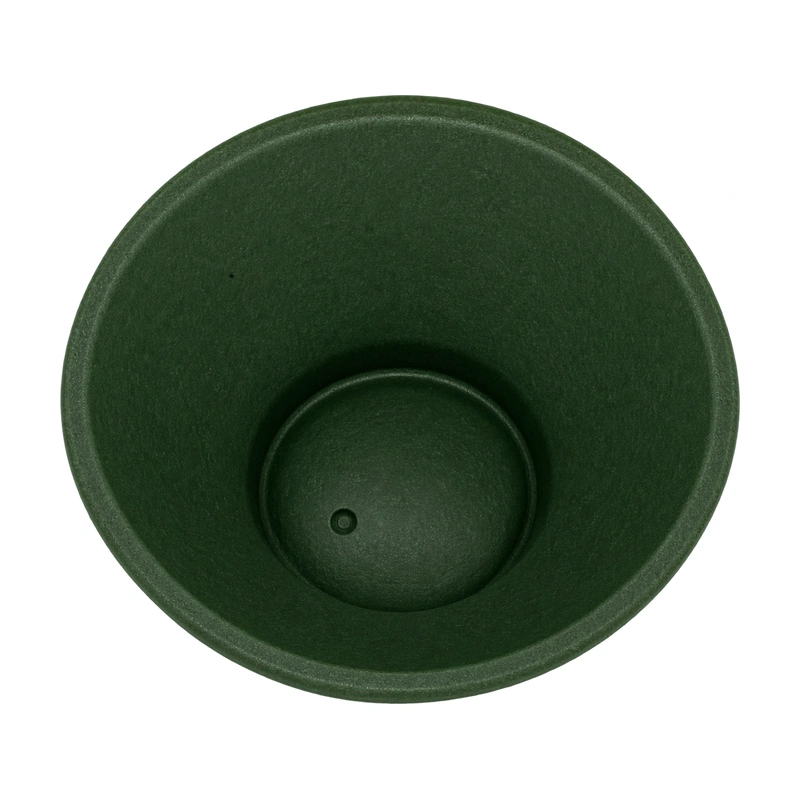 Tweeter cup |
YHZ34B | 34 | 25.3 | 9.7 | 0.23 | 0.15 | — | — |
|
Tweeter cup
|
YHZ49-1B | 49 | 25.3 | 18 | 0.35 | 0.17 | — | — |
|
Tweeter cup
|
YHZ49-2B | 49 | 25.3 | 18 | 0.35 | 0.17 | — | — |
|
Tweeter cup
|
YHZ43B | 43 | 22.3 | 20.5 | 0.3 | 0.2 | — | — |
|
Tweeter cup
|
YHZ52B | 52 | 23.3 | 20 | 0.4 | 0.17 | — | — |
|
Tweeter cup
|
YHZ52-1B | 52 | 23.3 | 20 | 0.4 | 0.17 | — | — |
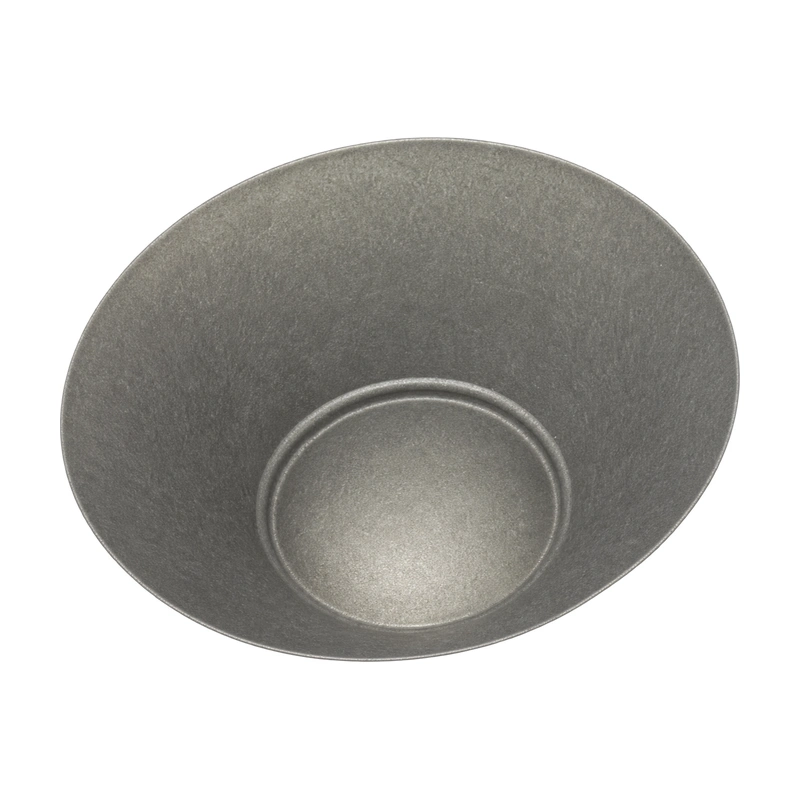
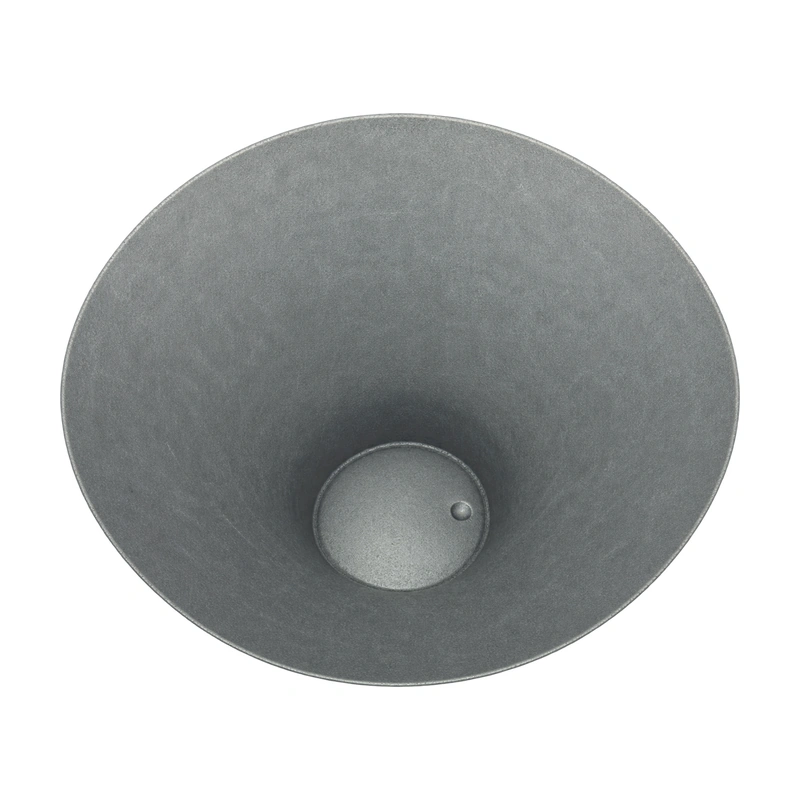
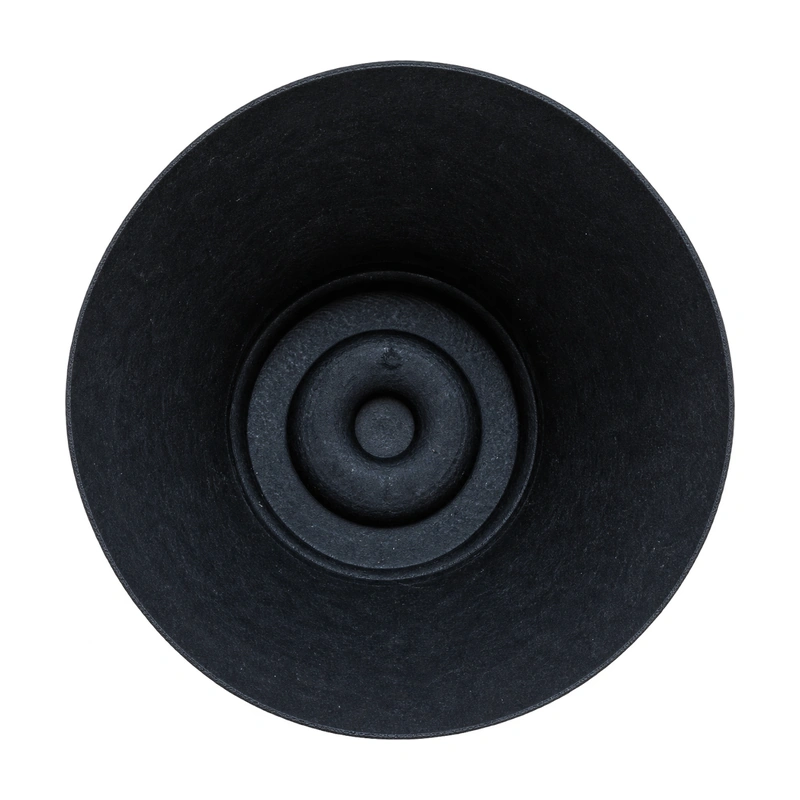
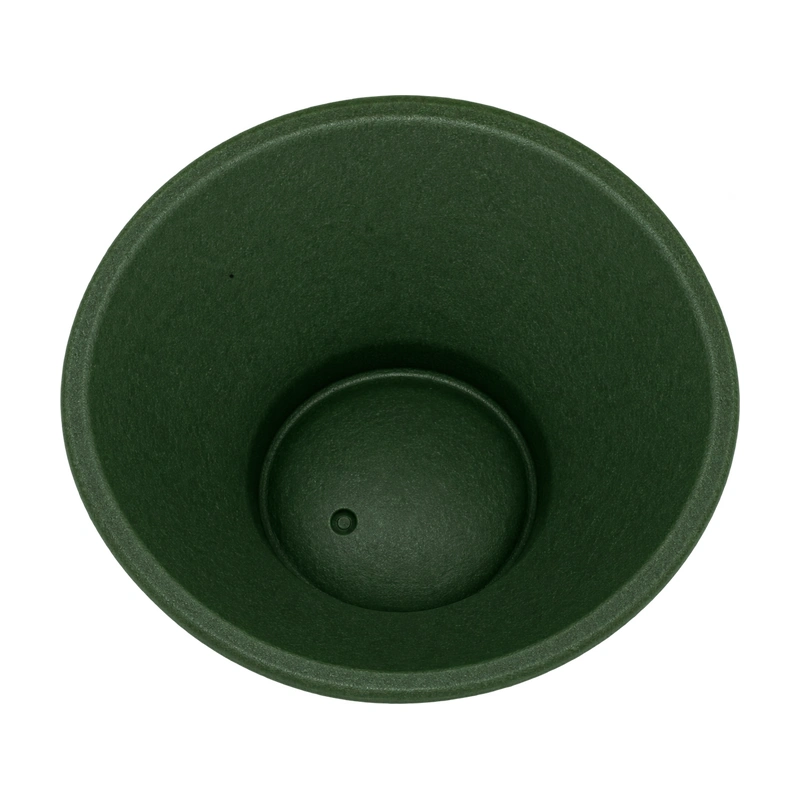
In a dome tweeter, the dome diaphragm is the moving element responsible for reproducing high-frequency sound. Unlike a woofer cone, which typically uses a conical diaphragm profile, a tweeter dome has a curved geometry designed for a different acoustic and mechanical role. Its diameter, curvature, material and structural characteristics are important design variables when developing a tweeter for a particular loudspeaker system. WellSpring manufactures tweeter dome components for consumer electronics, automotive audio and professional audio applications.
Dome geometry is a fundamental part of tweeter diaphragm design. Dome diameter, curvature, height and edge configuration determine how the diaphragm fits into the tweeter assembly. These dimensions must be coordinated with the voice coil and surrounding structure. A dome developed for one tweeter configuration should not be assumed to fit another without checking its dimensions and assembly requirements.
Tweeter domes materials are selected according to the intended diaphragm design and its mechanical requirements. Relevant considerations may include mass, stiffness, forming characteristics and compatibility with the complete moving assembly. Rather than treating one material as suitable for every application, material selection should be evaluated in relation to the target tweeter structure and product specifications.
The dome is one part of a larger tweeter assembly. Its dimensions and mounting interface need to correspond with the voice coil and other related components. WellSpring supports product development, mold processing and manufacturing for customized dome diaphragms, with dimensional inspection and quality verification as part of its production system.
Q1. What is the difference between a tweeter dome and a speaker cone?
A tweeter dome has a curved diaphragm profile and is used in dome-type tweeters for high-frequency reproduction. A speaker cone generally has a conical profile and is used in cone-type drivers. Their geometries and assembly requirements are different.
Q2. How does dome diameter relate to tweeter design?
Dome diameter is one of the key dimensions defining the diaphragm and its compatibility with the tweeter assembly. It should be considered together with the voice coil dimensions, mounting structure and overall driver design.
Q3. Why are material mass and stiffness considered in tweeter dome development?
Mass and stiffness are among the mechanical properties that influence diaphragm behavior. Their suitability depends on the dome geometry, material construction and intended tweeter design. No single material property determines performance on its own.
Q4. Can tweeter domes be replaced with one of a different material?
A material change should not be treated as a direct replacement without evaluation. Differences in mass, stiffness, forming characteristics and dimensions may affect compatibility with the original tweeter assembly.
Q5. What specifications are needed for a custom tweeter dome?
Useful information includes dome diameter, height or profile, material requirements, thickness, mounting dimensions and technical drawings. An existing sample can also help WellSpring evaluate the required structure and manufacturing details.