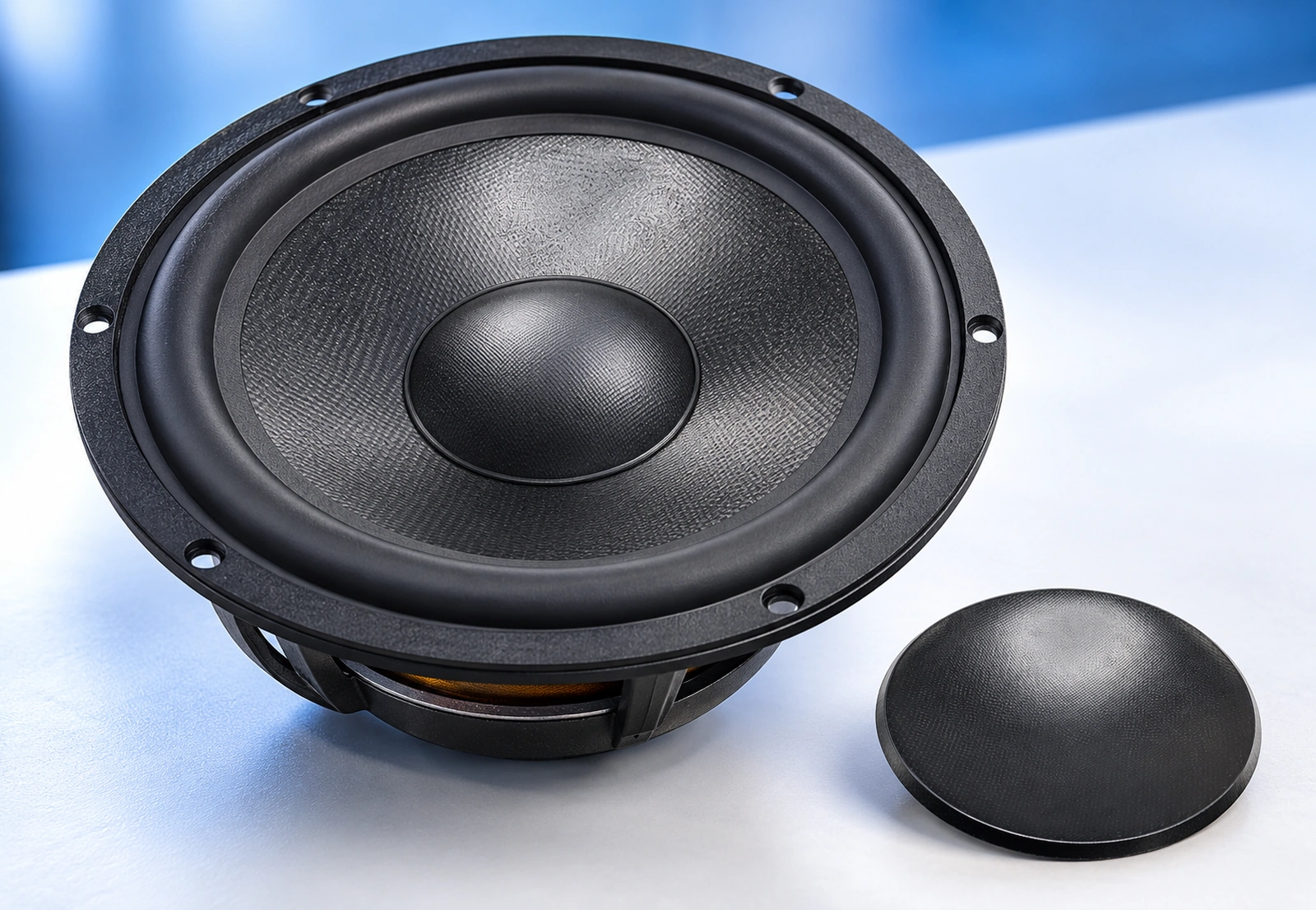
In the world of audio, every component embodies the pursuit of acoustic perfection and fine tuned craftsmanship. As a key part of the loudspeaker tweeter unit, the tweeter waveguide’s shape is not only about aesthetics but also exerts a profound influence on sound quality. Let’s take a closer look at how its shape impacts acoustic performance.
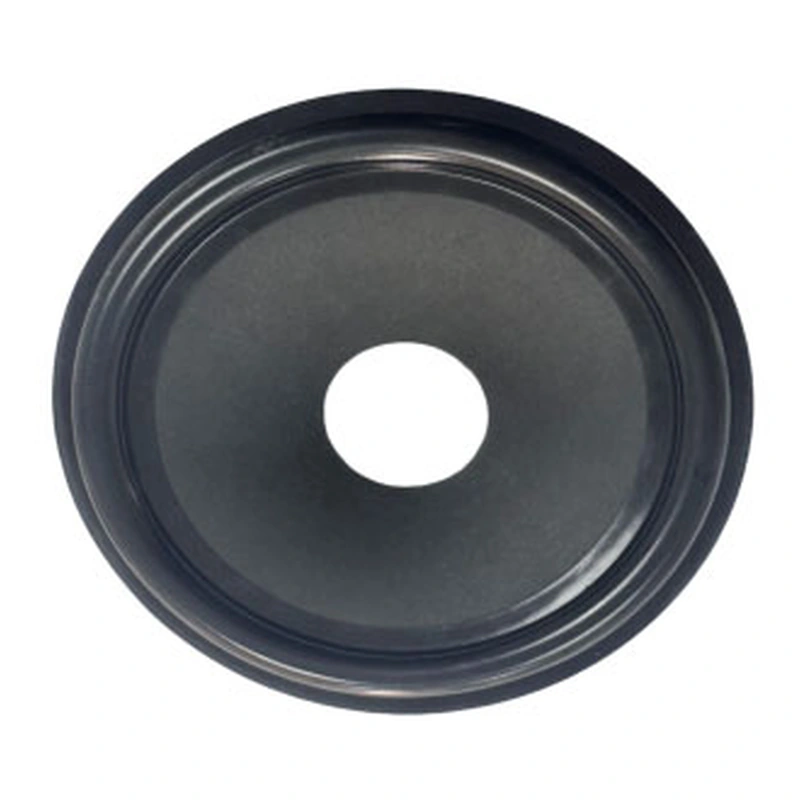
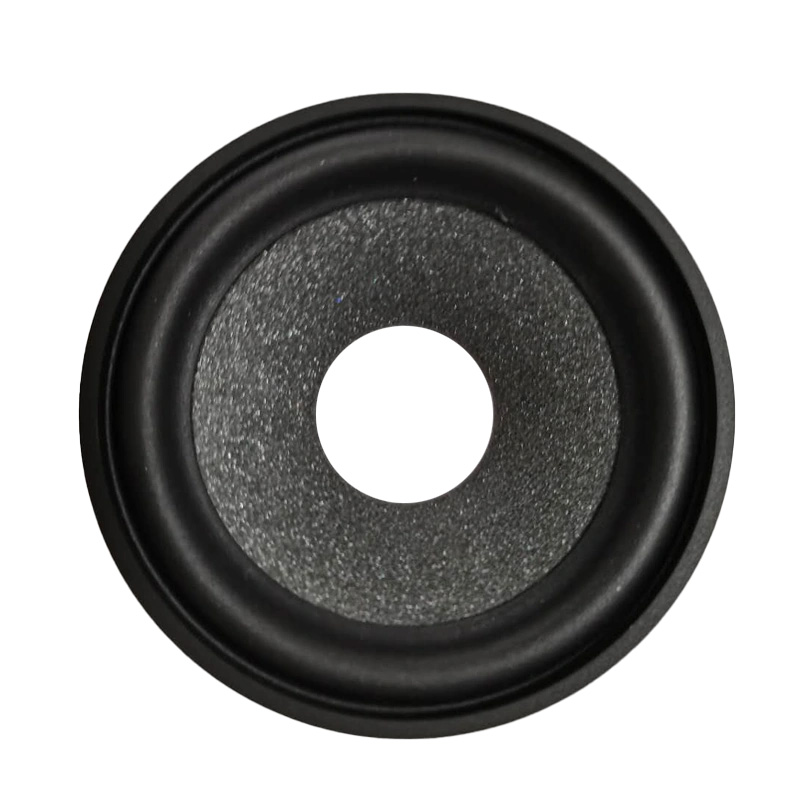
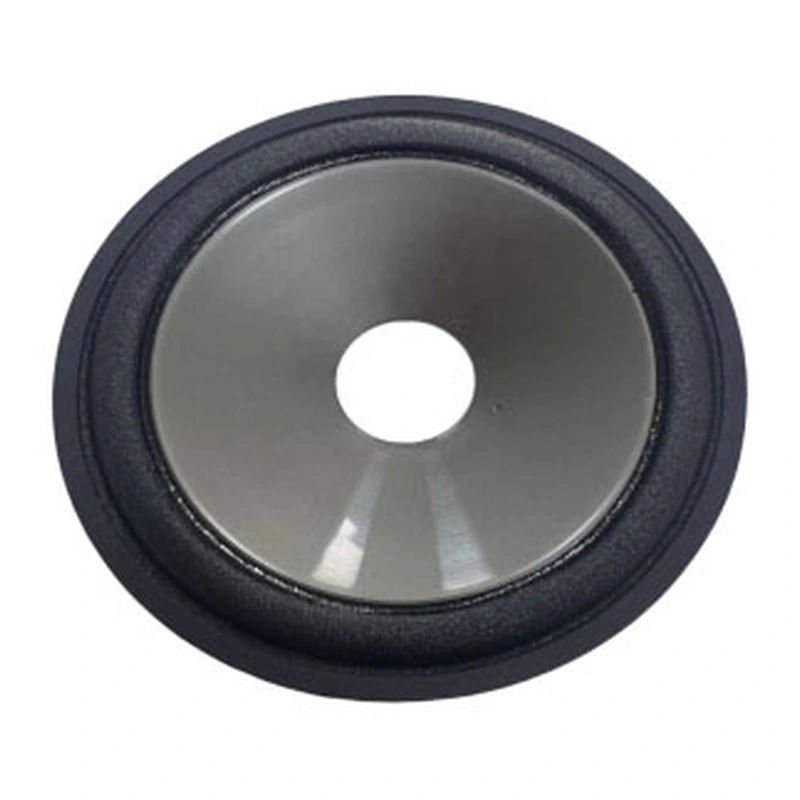
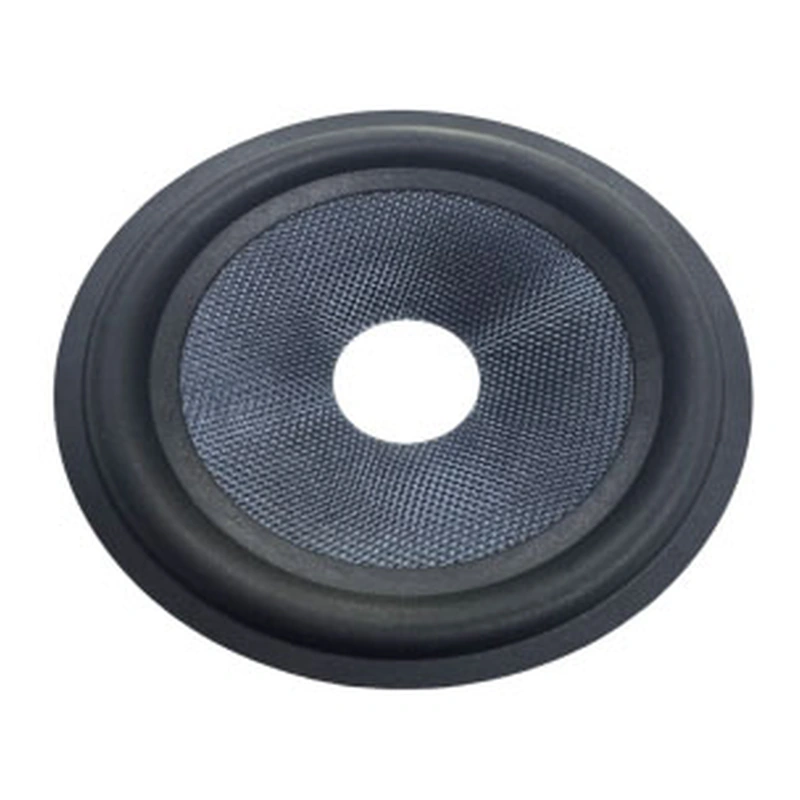
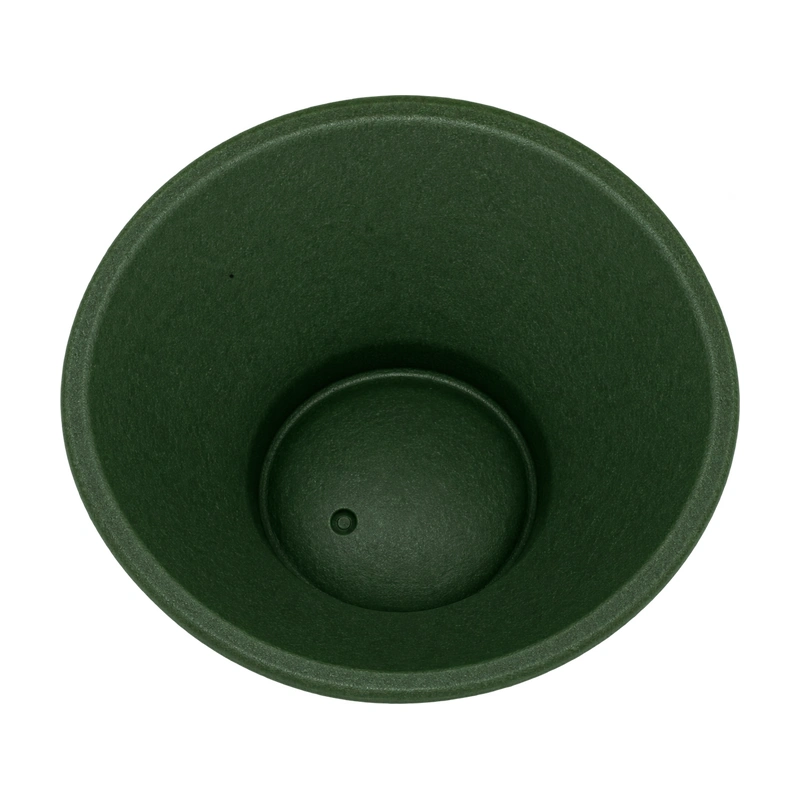
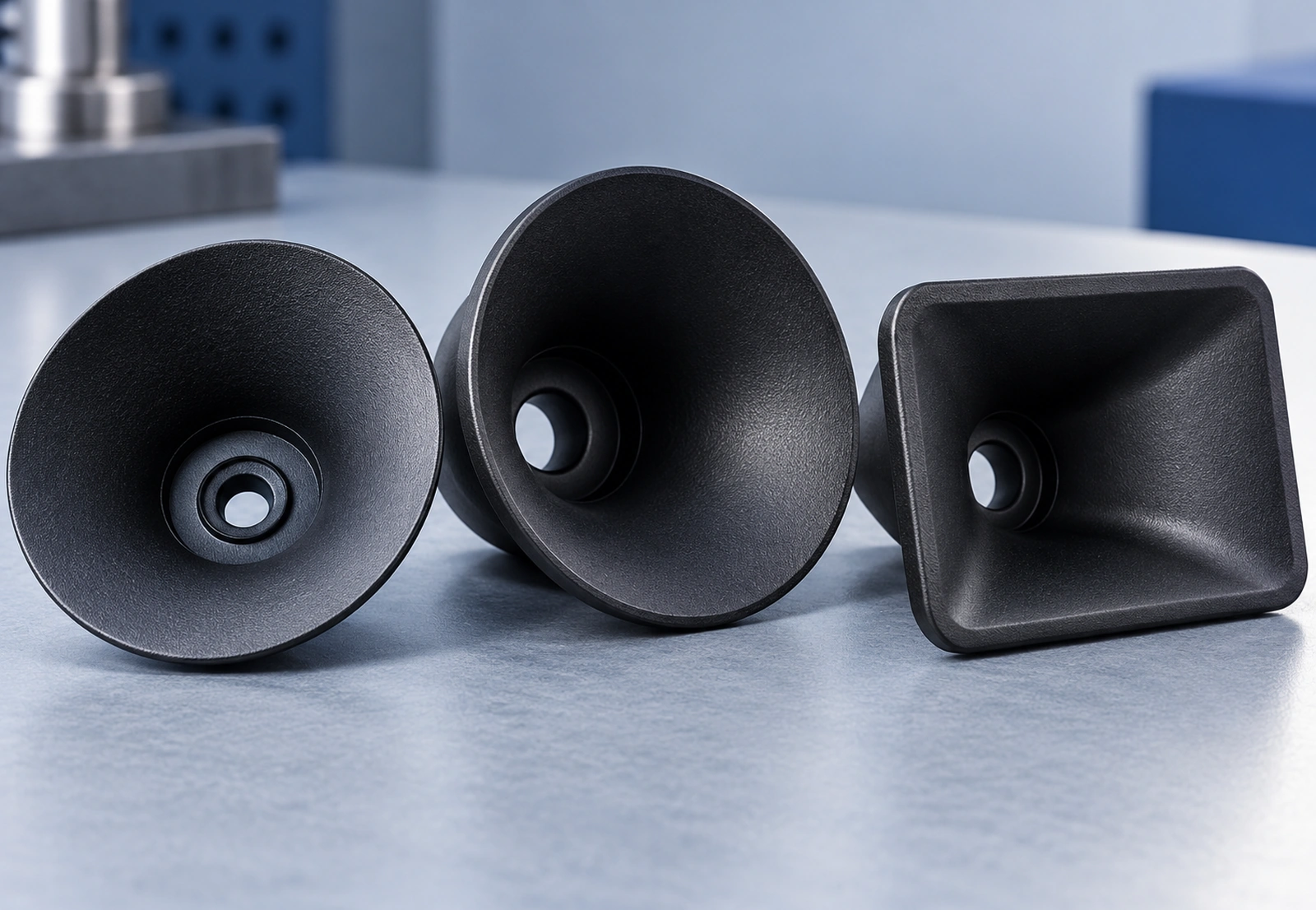
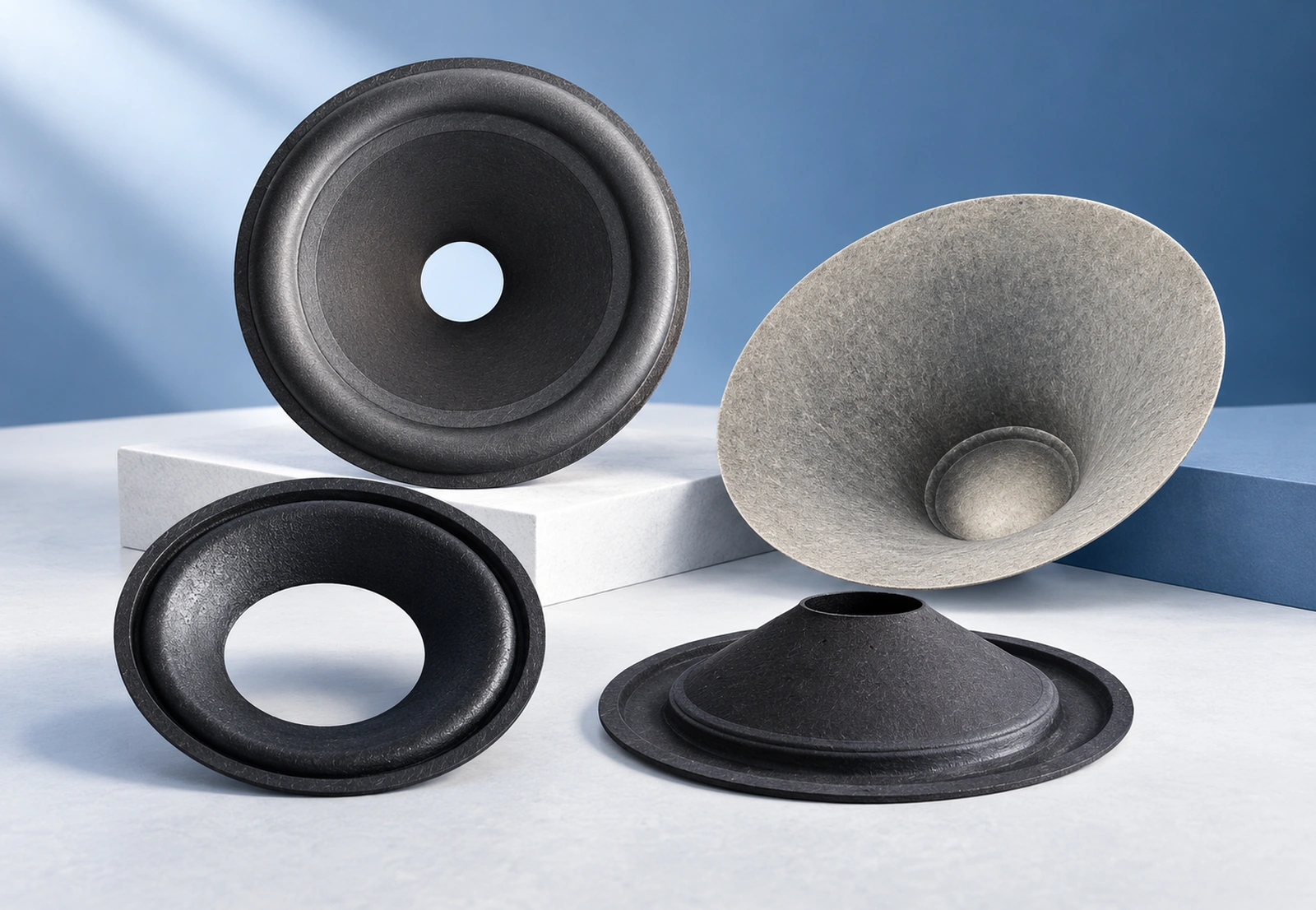
Also referred to as a horn waveguide, the tweeter waveguide is fitted onto the loudspeaker’s tweeter driver and comes in various forms, commonly including horn-shaped, conical and hemispherical profiles. These shapes are not arbitrarily designed; they are developed based on sophisticated acoustic principles to optimize the transmission and dispersion of high frequency sound waves for improved audio performance.
First and foremost, the shape of the tweeter waveguide has a marked impact on sound focusing and directivity. Resembling a scaled-down horn, the horn-shaped waveguide effectively steers the propagation direction of high frequency waves, concentrating sound energy and reducing diffusion losses. This design delivers clearer, more forceful sound within a targeted listening area and enhances stereo imaging and sound localization. By contrast, the conical waveguide features a gradually expanding profile that spreads sound waves progressively as they travel. While preserving sound clarity, this design also broadens the sound-coverage area.
Secondly, waveguide shape influences timbre and overall sound quality. Waveguides of different geometries feature distinct internal acoustic characteristics, which produce varying resonance effects as high-frequency sound waves travel through them. The hemispherical waveguide has a relatively enclosed inner cavity and generates mellow, soft timbres, well suited for delicate and melodious music styles. Thanks to its open geometry, the horn-shaped waveguide makes high-frequency sound waves more susceptible to external influences, yielding brighter, crisper tones ideal for energetic and dynamic musical content.
In addition, the shape design of the tweeter waveguide must harmonize with the overall loudspeaker design. Superior loudspeaker performance relies on perfect matching and coordinated operation among all components. When designing a tweeter waveguide, engineers need to consider not only its acoustic impact but also its compatibility with the speaker’s appearance, dimensions and materials to guarantee both visual appeal and audio performance.
In practical applications, the selection of waveguide shape often requires customization and optimization tailored to specific audio systems and operating environments. Musical genres, listening spaces and audience preferences all impose different requirements on waveguide geometry. Therefore, when designing or selecting a tweeter waveguide, full consideration should be given to the system’s overall performance and target sound quality to achieve optimum results.
It is worth noting that the acoustic influence of waveguide shape does not work in isolation. It is the combined outcome of interactions with other speaker components (such as woofers, mid-range drivers and crossovers) as well as the listening environment (including room size, geometry and construction materials). While pursuing an optimized waveguide shape, attention should also be paid to the overall system design and acoustic environment to realize the best-possible sound reproduction.
To conclude, the shape of a tweeter waveguide exerts multifaceted and complex effects on sound quality, covering sound focusing and directivity, timbre, and compatibility with the overall loudspeaker design. Driven by continuous technological advances and innovation, we can expect more diverse and refined waveguide designs in future audio products, bringing listeners richer and more immersive acoustic enjoyment.
We use cookies to offer you a better browsing experience, analyze site traffic and personalize content. By using this site, you agree to our use of cookies. Privacy Policy