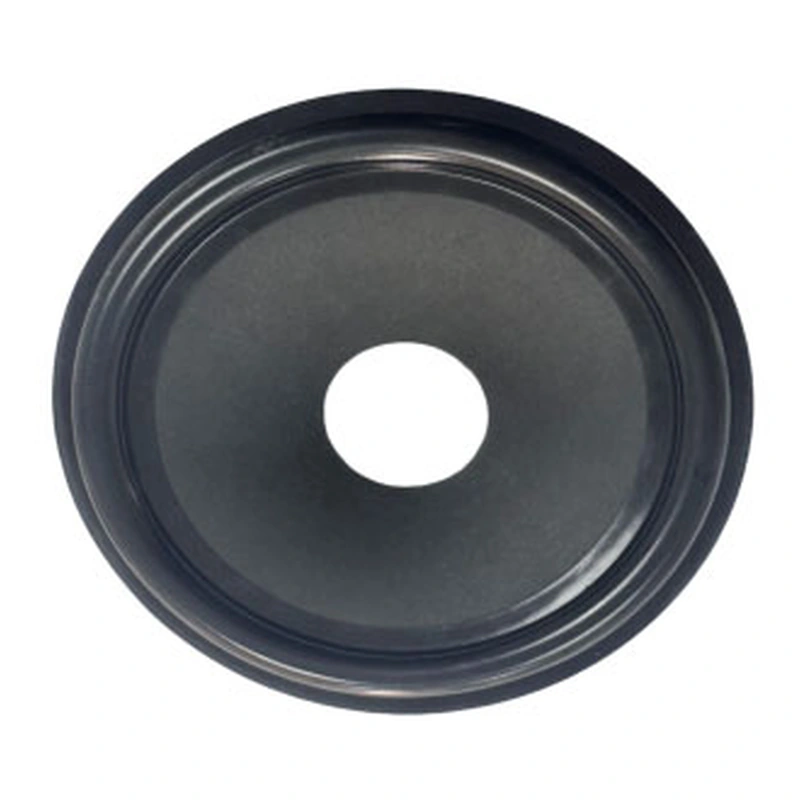
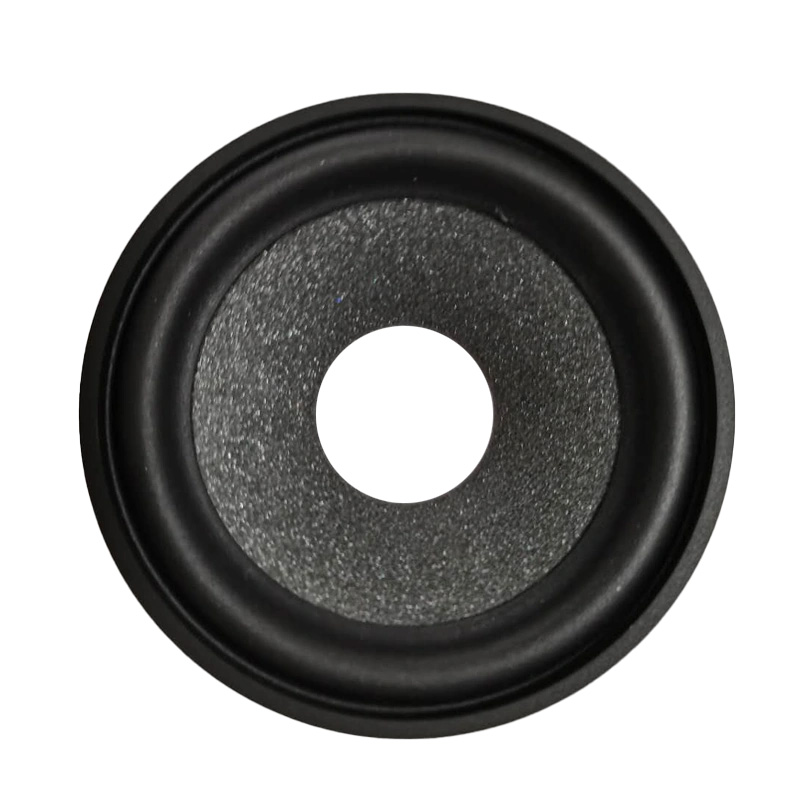
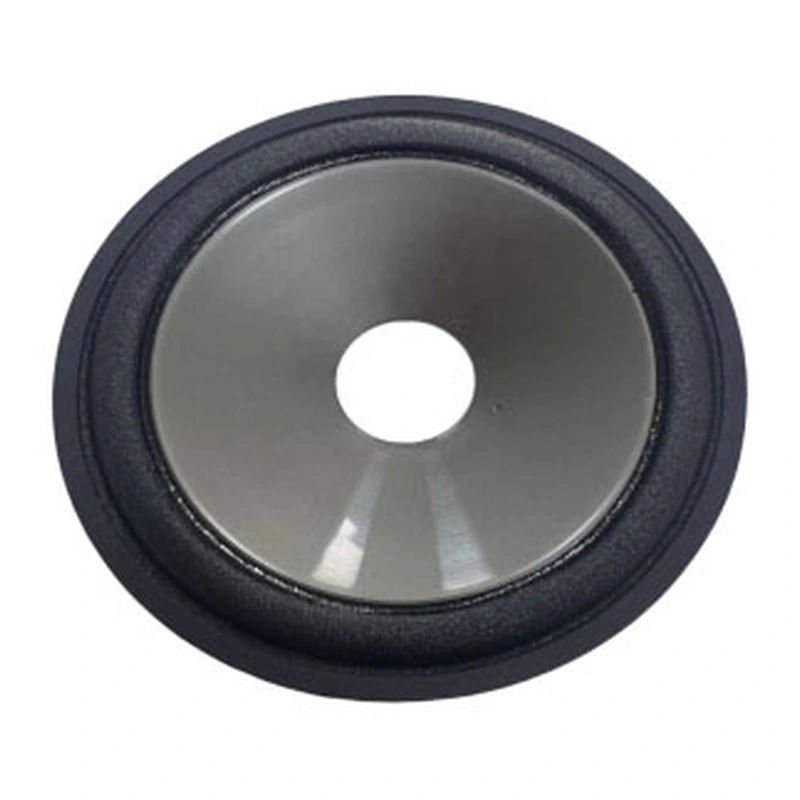
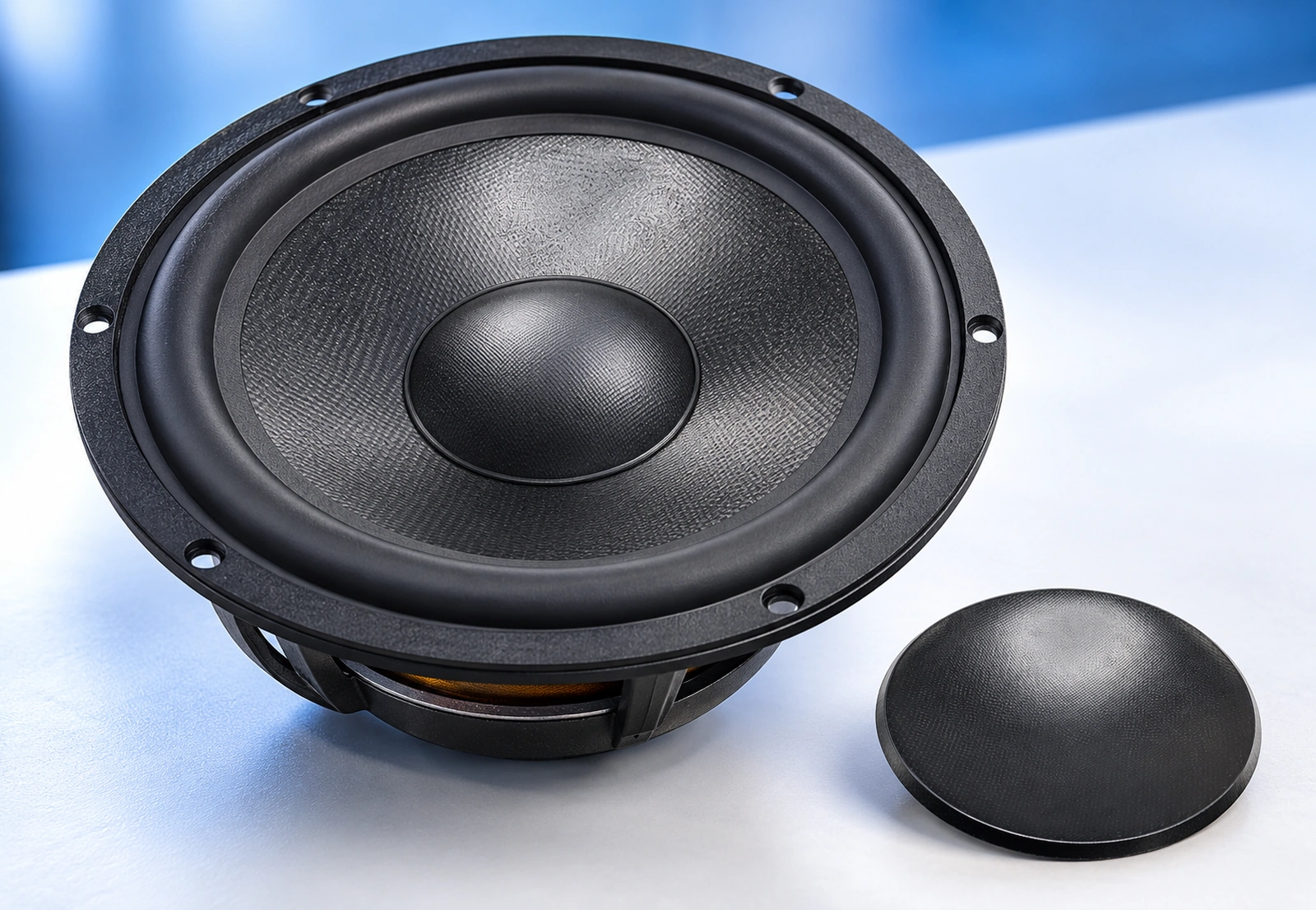
In the world of audio, every detail matters for perfect sound reproduction. The dust cap, a small component at the front of a loudspeaker, may seem insignificant, yet it plays an important role in protecting the speaker unit and optimizing sound quality. Nevertheless, over time or due to changing operating-environment conditions, dust caps can become deformed. This not only compromises appearance but may also adversely affect audio performance. Below we discuss solutions for deformed speaker dust caps and effective preventive measures.
I. Impacts of a Deformed Speaker Dust Cap
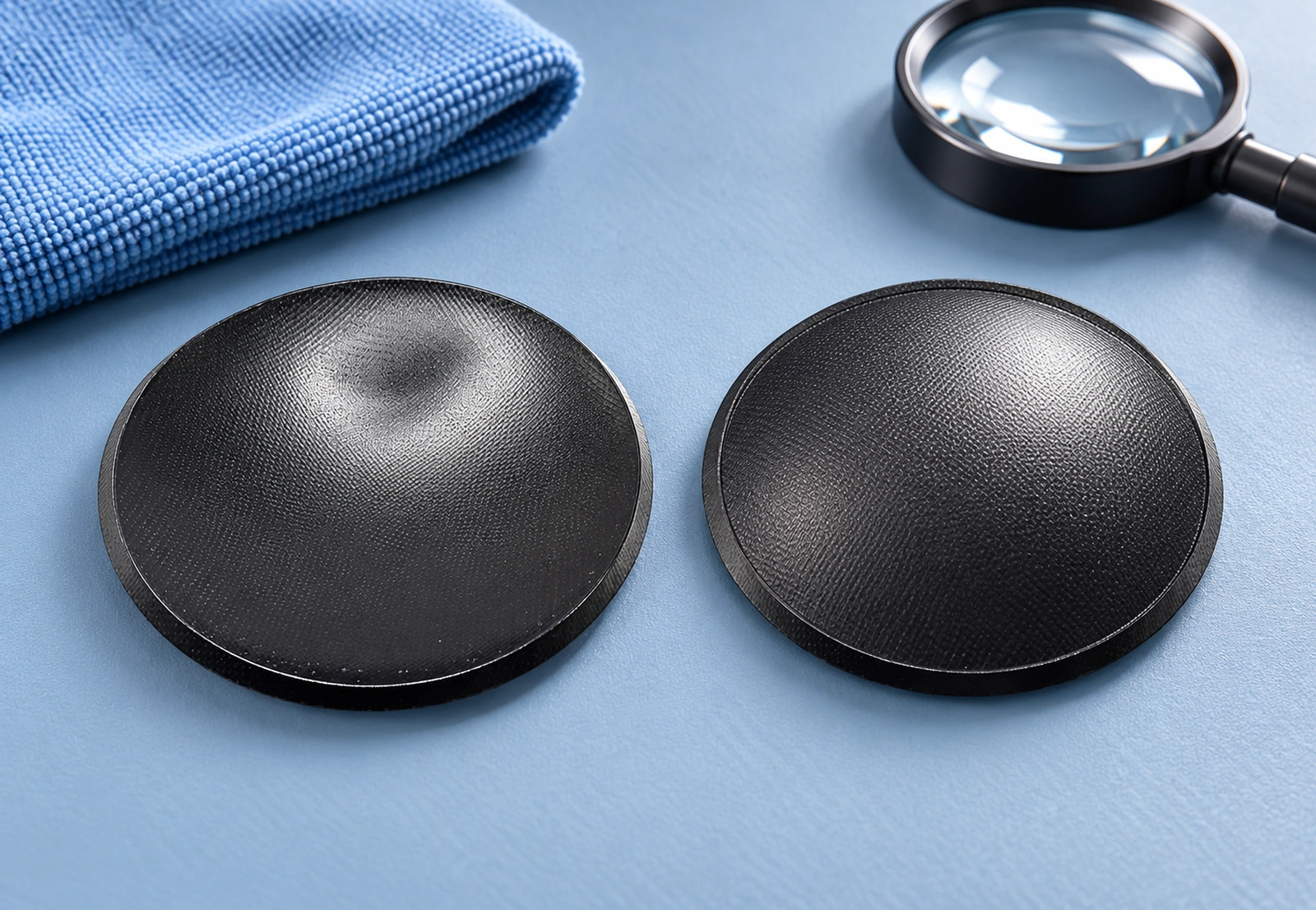
Dust-cap deformation can stem from prolonged operation, improper cleaning, excessive physical pressure, or environmental factors such as high temperature and humidity. Once deformed, the dust cap loses its original shape and structure, which interferes with sound transmission and dispersion. Specifically, a deformed dust cap may result in muffled, distorted sound or even unwanted noise, greatly impairing the listening experience.
II. Remedies for a Deformed Speaker Dust Cap
When handling a deformed dust cap, first assess the severity and root cause of the damage. For minor deformation, try the following approaches:
Gentle Reshaping: Use soft cloth or fingertips to gently press the deformed area and restore its original contour. Extreme caution is required to prevent further damage to the dust cap.
Moderate Heating: Under professional guidance, apply moderate heat with a hair-dryer or similar heating device. Heat softens the dust-cap material to facilitate reshaping. Care must be taken to regulate temperature and heating duration to avoid material aging or burning.
Professional Repair: For severely deformed dust caps, consult a qualified repair technician. Equipped with specialized tools and expertise, professionals can restore the dust cap’s shape and performance more reliably.
III. Effective Preventive Measures Against Dust-Cap Deformation
Take the following precautions to avoid dust-cap deformation:
Proper Usage and Cleaning: Keep sharp or abrasive objects away from the dust cap during daily use to prevent damage. Periodically wipe its surface gently with soft cloth to remove dust and dirt, and keep it clean and dry.
Avoid Excessive Pressure: Do not apply heavy force to the dust cap while installing or removing the loudspeaker. Never place heavy objects on top of the speaker, as this may compress the dust cap.
Manage Environmental Conditions: Place loudspeakers in areas with moderate temperature and humidity. Protect dust caps from harsh conditions such as extreme heat and dampness.
Timely Replacement: Replace aged dust caps that have been in service for a long time, so as to maintain optimal speaker performance and sound quality.
In conclusion, dust-cap deformation deserves proper attention. With correct repair methods and sound preventive practices, we can best preserve the dust cap’s geometry and functionality for consistent loudspeaker sound quality. In the audio world ahead, let us pay close attention to dust-cap maintenance to guarantee flawless sound for every musical journey.
We use cookies to offer you a better browsing experience, analyze site traffic and personalize content. By using this site, you agree to our use of cookies. Privacy Policy